
Posted On: Feb 24, 2026
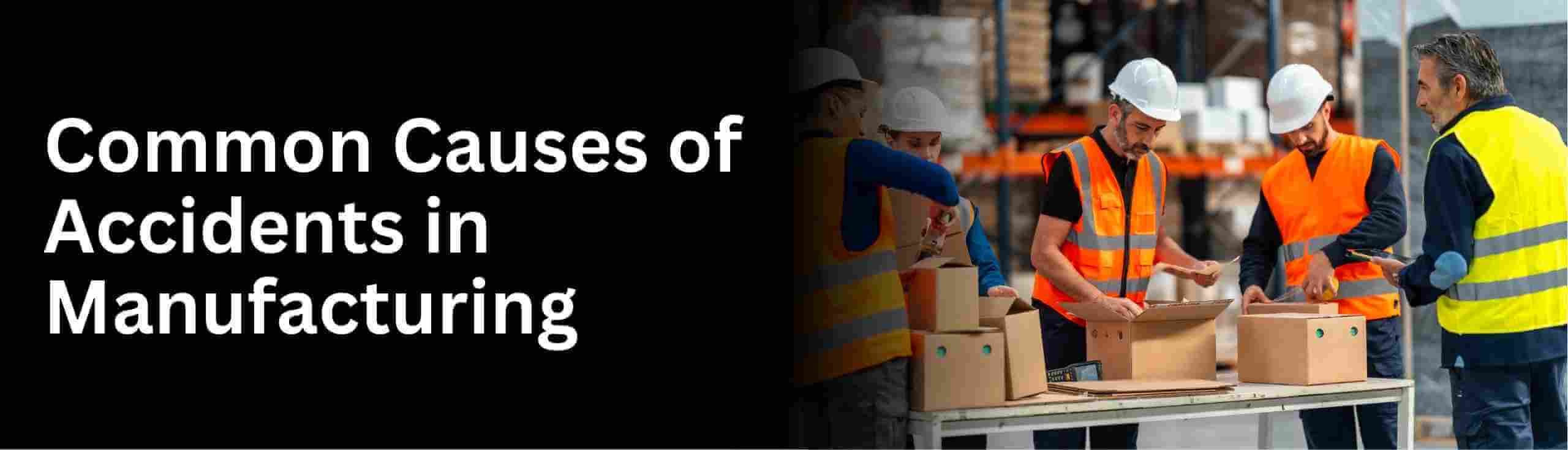
Walk into any manufacturing facility and the pace is clear right away. Machines run nonstop, materials move from one station to another, and workers stay focused to keep production on track. It’s an environment built for output, but that same fast-moving pace can also create safety risks.
Even with modern safeguards in place, injuries still happen across the manufacturing sector. Data from the Bureau of Labor Statistics shows that manufacturing reports hundreds of thousands of workplace injuries each year, with injury rates around 2.6 cases per 100 full-time workers. Fatal incidents also take place annually, with more than 300 manufacturing worker deaths reported in recent years.
Understanding where these accidents come from helps reveal the real risks found on factory floors and explains why safety awareness plays an important role in manufacturing operations.
Machinery is one of the leading sources of manufacturing injuries. Presses, conveyors, rollers, and cutting equipment are important for production, but they can become dangerous when something goes wrong.
Many injuries happen in seconds. A hand may get too close to a moving part, clothing can get caught in rotating equipment, or a machine may cycle unexpectedly during maintenance.
Common examples include:Accidents like these are dangerous because they can happen during everyday tasks such as cleaning, adjusting, or clearing jams. Without proper machine guarding or lockout/tagout procedures, even skilled workers face serious risk.
Slips and falls may not seem as severe as machinery accidents, but they remain one of the most common causes of injuries in manufacturing.
Factory floors can quickly become hazardous. Oil spills, metal shavings, packaging debris, and loose cords can all create unsafe walking conditions.
Common causes include:A simple slip can lead to fractures, head injuries, or weeks away from work. In busy production environments, good housekeeping plays an important role in preventing these incidents.
Manufacturing facilities are constantly in motion. Forklifts transport materials, pallet jacks move loads, and items are stacked overhead. With so much activity taking place, the risk of struck-by incidents increases.
Common examples:These accidents commonly occur in high-traffic areas where vehicles and workers share the same space. Clear visibility, proper training, and effective traffic control procedures help reduce this risk.
Manufacturing facilities are constantly in motion. Forklifts transport materials, pallet jacks move loads, and items are stacked overhead. With so much activity taking place, the risk of struck-by incidents increases.
Common examples:These accidents commonly occur in high-traffic areas where vehicles and workers share the same space. Clear visibility, proper training, and effective traffic control procedures help reduce this risk.
Caught-in or caught-between incidents are severe because they involve crushing forces. These accidents occur when a worker becomes trapped between two objects or inside machinery.
High-risk situations:These hazards are responsible for many fatal manufacturing injuries. Following energy control procedures, including proper lockout/tagout practices, is important to protect workers.
Not all injuries happen suddenly. Some develop gradually over weeks, months, or even years.
Manufacturing jobs require lifting heavy materials, pushing carts, pulling loads, and performing repetitive assembly tasks. Over time, these activities can strain the body.
Common examples:These injuries may not make headlines, but they are among the most commonly reported workplace cases each year.
Electrical systems power the manufacturing operations. While electricity is necessary for production, it can also create serious risks when not properly controlled.
Risk factors include:Electrical incidents can cause burns, shocks, or even fatalities, sometimes during routine maintenance tasks that appear safe.
Many manufacturing processes use chemicals such as solvents, adhesives, coatings, and industrial cleaners. Without proper ventilation, labeling, and protective equipment, exposure can harm workers immediately or over time.
Exposure risks include:Chemical hazards are not always visible, which makes awareness and training extremely important.
Long shifts, overtime, and production demands can lead to fatigue. When workers are tired, reaction times slow, and mistakes become more likely.
Contributing factors:Fatigue is a common underlying factor in many serious incidents, particularly those involving machinery, vehicles, or heavy equipment.
Safety training gives workers the knowledge to identify hazards before accidents occur. It helps workers spot hazards and make safer choices on the job.
Training focuses on:OSHA outreach training provides manufacturing workers with structured safety education to increase workplace safety awareness and maintain safe practices.
OSHA 10-Hour General Industry:Both courses help improve safety knowledge and contribute to safer manufacturing workplaces.
Manufacturing environments are complex, with machinery, materials, physical demands, and production pressures all intersecting in one setting. From equipment-related injuries to chemical exposure and fatigue, multiple factors contribute to workplace risks.
Understanding the most common causes of accidents provides a clearer view of these risks. By applying effective safety practices, providing proper training, and maintaining ongoing awareness, manufacturing facilities can operate efficiently while keeping workers safe.
Trusted by thousands of workers & supervisors