
Posted On: December 16, 2025
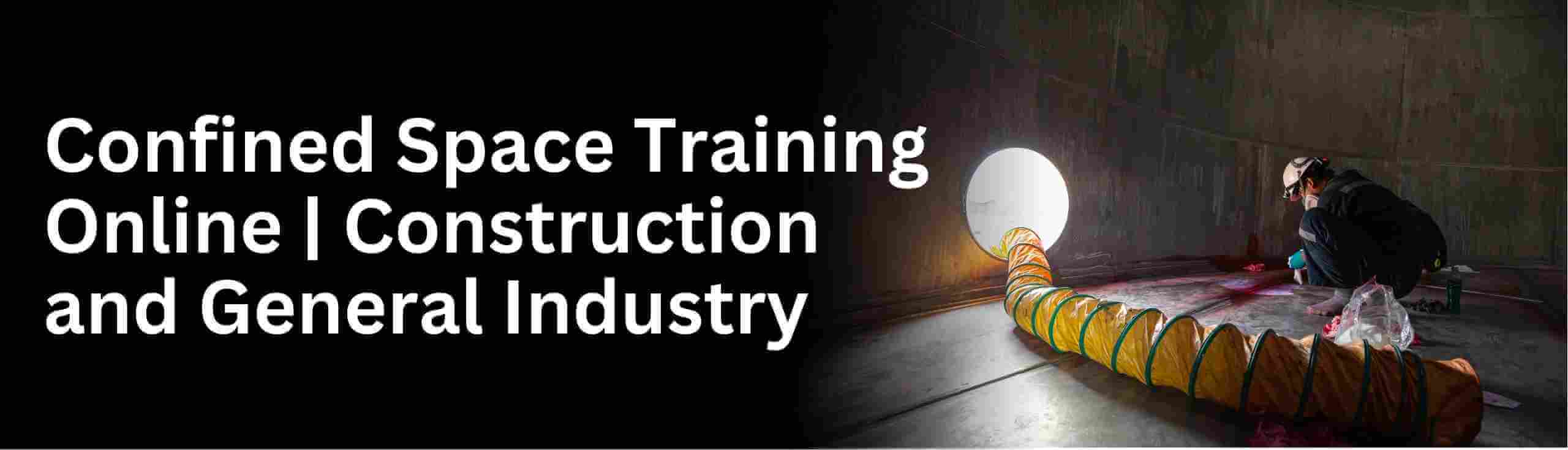
Confined spaces are found in many workplaces, including construction sites, factories, warehouses, and utility areas. While these spaces may appear harmless at first, limited entry points, restricted movement, and hidden hazards can make them dangerous in a short time. Understanding confined space conditions and recognizing the risks inside them is important for workplace safety.
Construction workers work on job sites that change from day to day, which can lead to new confined spaces as projects move forward. General industry workers, on the other hand, work in fixed spaces that contain machinery, chemicals, or stored materials. In both environments, understanding confined spaces helps workers stay alert, enter these areas safely, and complete tasks without putting themselves or others in danger.
A clear understanding of confined spaces includes recognizing hazards such as poor air quality or unstable materials, knowing the different types of confined spaces, and following proper entry procedures. Training helps workers understand their roles, follow the correct steps, and respond properly during routine work or emergency situations.
A confined space is an area that:
Examples include tanks, silos, boilers, utility vaults, crawl spaces, pipelines, pits, and storage bins. Some confined spaces require a permit when hazards inside can cause serious injury or death. OSHA has separate confined space requirements for construction and general industry because each environment presents different risks.
Construction sites change over time, and new structures, temporary work zones, freshly dug trenches, and unfinished utilities can create confined spaces with varying hazards.
Common Construction Hazards:General industry settings, such as factories, warehouses, utilities, and processing plants, often include fixed confined spaces. Hazards in these areas may come from machinery, chemicals, or environmental conditions
Common General Industry Hazards:Workers must understand how to identify confined spaces, test atmospheres, and follow safe entry procedures to prevent accidents and maintain a safe work environment.
Confirm whether the area is a permit-required confined space or a non-permit confined space.
2. Test the atmosphereCheck oxygen levels, flammable gases, and toxic vapors before entry and continue monitoring as needed.
3. Control the hazardsUse ventilation, lockout/tagout, purging, and isolation procedures to manage hazards inside the space.
4. Assign rolesEntrants, attendants, and entry supervisors must have clearly defined responsibilities during the entry.
5. Use proper equipmentGas monitors, communication tools, lighting, and retrieval systems help maintain safety inside the space.
6. Plan for emergenciesRescue procedures must be clear and practiced, as confined space rescues are high-risk operations.
This course covers risks found on construction sites where conditions change quickly. Workers learn how to identify confined spaces, recognize atmospheric and structural hazards, and follow safe entry procedures.
Modules IncludeBest for: Workers involved in construction, renovation, or maintenance activities.
Confined Spaces for General Industry (Online)This course focuses on confined spaces in manufacturing, warehousing, utilities, and other fixed facilities. Workers learn how to identify hazards related to chemicals, machinery, and air quality.
Modules IncludeGood for: Workers who enter or work near confined spaces in general industry settings.
Confined spaces can become hazardous very quickly. Training helps workers understand:
Workers in both construction and general industry benefit from training that follows OSHA standards.
Confined spaces create high-risk conditions in both construction and general industry. Knowing the hazards, following safe entry procedures, and completing proper training help maintain a safer work environment.
OSHA Training School’s online Confined Space courses provide workers with knowledge that can be applied on the job.
Trusted by thousands of workers & supervisors