
Posted On: November 04, 2025
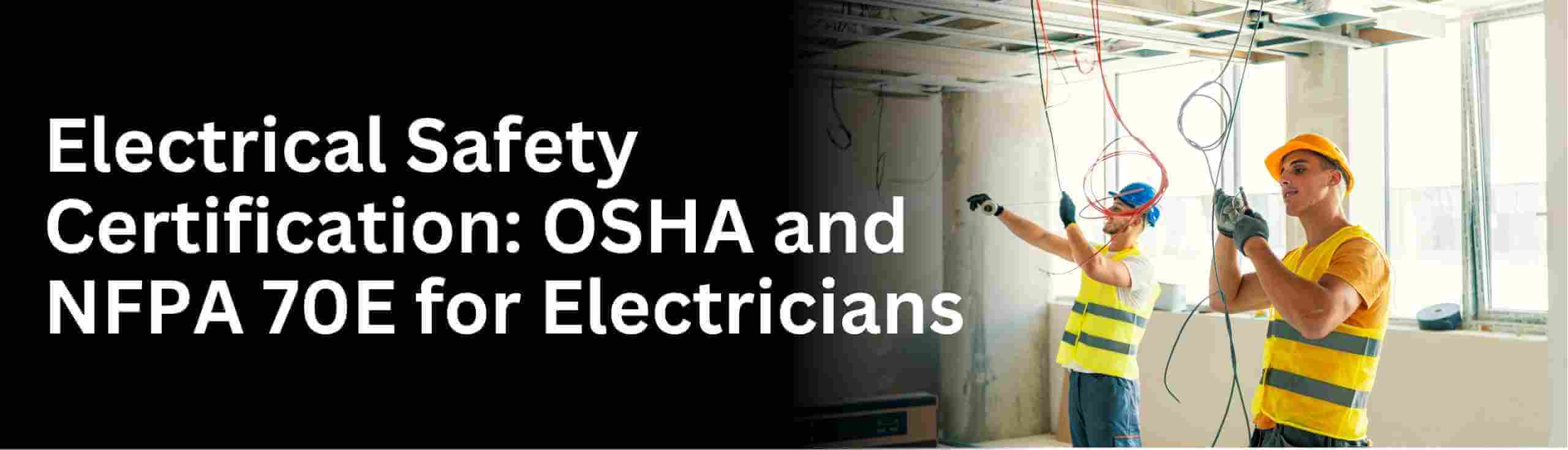
Every light that turns on, every machine that operates, and every powered system in a city relies on the work of electricians. However, their job places them near energized circuits, high-voltage equipment, and elevated work areas daily. From wiring new buildings to maintaining electrical systems, even a small mistake can cause severe injury or death. This is why safety training plays an important role in keeping workdays safe.
According to the Bureau of Labor Statistics (BLS), the U.S. reported 5,283 fatal occupational injuries in 2023. Out of these, 142 deaths were caused by exposure to electricity, including electrocution, shock, and arc-flash events.
Many of these incidents happened during wiring, repair, and installation work when employees came into direct contact with overhead lines, energized conductors, or electrical panels. These numbers show that electrical work continues to be one of the most hazardous occupations in the country, and safety training aligned with NFPA 70E standards and OSHA regulations remains important for protecting workers.
When it comes to preventing electrical shock and arc-flash incidents, NFPA 70E sets the national standard for protecting workers. It outlines safe work practices and PPE requirements for anyone working near energized systems.
What Electricians Will Learn in NFPA 70E Training:
Every electrician working in construction, industrial, or maintenance roles can benefit from NFPA 70E training to meet industry best practices and comply with OSHA’s General Duty Clause for safe workplaces.
Electricians often work on construction sites and high-rise buildings, where electrical hazards combine with other risks such as:
For these environments, the OSHA 10-Hour Construction Training is recommended. It teaches how to recognize and control job-site hazards including electrical, fall, struck-by, caught-in, and PPE-related risks.
The training also results in an official OSHA DOL card recognized by employers nationwide and commonly required for access to construction sites. Completing this course shows knowledge of OSHA safety topics and job-site hazard awareness, giving electricians an advantage when working in construction.
Electricians who maintain or repair electrical systems in factories, warehouses, plants, hospitals, or office buildings face different types of hazards. For these roles, the OSHA 10-Hour General Industry Training is the more suitable option:
This course covers safety topics connected to facility maintenance and repair, including:
The Lockout/Tagout portion is especially important for electricians who service equipment. It teaches how to isolate energy sources and prevent accidental machine startup, which is an important OSHA requirement for electrical maintenance work.
Similar to the 10 hour construction training, students receive an official OSHA 10 card recognized across the United States.
Electricians in the U.S. benefit from completing the following training to stay aligned with OSHA and NFPA requirements:
Electricians who follow this training path build stronger knowledge in electrical safety, hazard recognition, fall protection, and energy control. It also helps them stay compliant with OSHA and NFPA safety standards.
OSHA Training School offers OSHA-authorized online courses trusted across the United States. Electricians can complete OSHA 10, NFPA 70E, Lockout/Tagout, and more from home. Students receive OSHA certification online, and an official OSHA DOL card with the OSHA 10 course after completion.
Begin OSHA certification training today with OSHA Training School to advance your electrical career and help create a safer work environment for electrical work.
Trusted by thousands of workers & supervisors