
Posted On: March 10, 2026
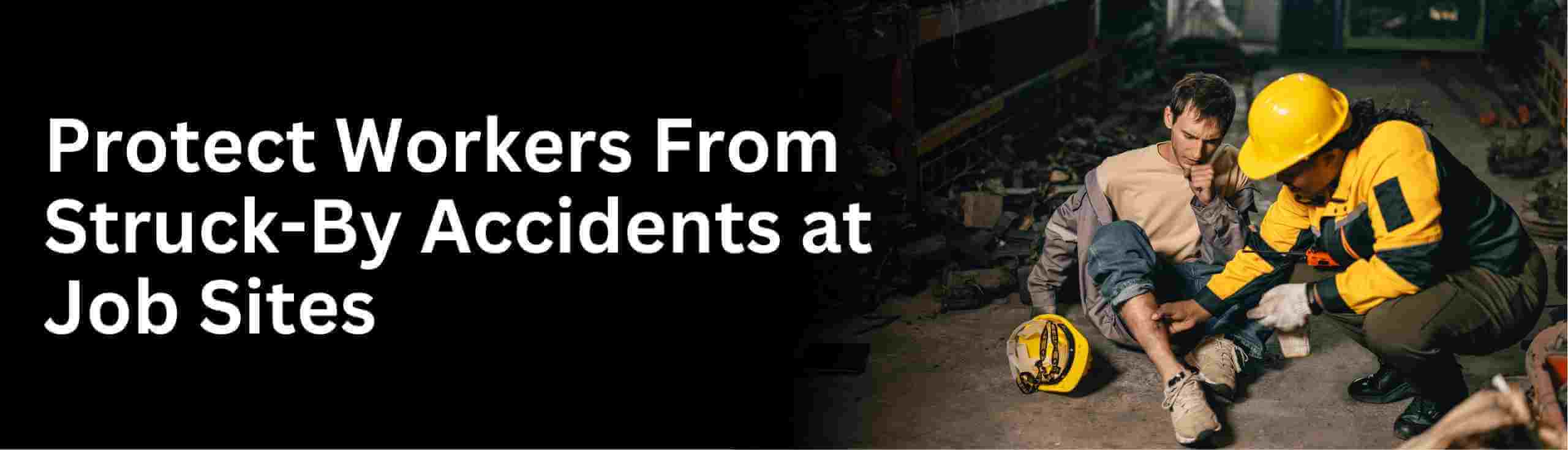
Workplaces such as construction sites, warehouses, and manufacturing facilities involve constant movement of equipment, tools, and materials. Cranes lift heavy loads, forklifts transport pallets, and workers handle tools throughout the day. While these activities are necessary for completing tasks, they also create hazards when objects move unexpectedly or fall from elevated areas.
One common workplace hazard in these environments is struck-by incidents. These incidents occur when a worker is hit by a moving object, piece of equipment, or falling material. The impact from these objects can result in serious injuries, particularly when heavy equipment or materials are involved. Understanding how these hazards occur helps improve hazard awareness and safer work practices across job sites.
A struck-by incident occurs when a worker is hit by a moving object or piece of equipment. The object may be flying, falling, swinging, or rolling.
These incidents may occur when materials are not secured properly, when equipment operates near workers, or when tools release debris during use. Heavy equipment and materials used in many workplaces can cause serious injuries if they strike a worker, even for a moment.
Common situations include tools dropping from elevated work areas, equipment striking workers during operation, or materials shifting during lifting and transport.
Experts in workplace safety identify four main types of struck-by hazards:
Flying Objects:Flying objects are materials or fragments that travel through the air due to force, pressure, or mechanical action. Power tools, cutting equipment, and compressed systems can release small pieces of material at high speed.
For example, grinding metal can send fragments flying, striking workers nearby. Nail guns can also discharge fast-moving nails if not used properly. These hazards are common in construction, manufacturing, and maintenance work that involves cutting, drilling, or grinding tasks.
Falling objects occur when tools, equipment, or materials drop from elevated surfaces such as scaffolding, ladders, or storage platforms.
A worker on scaffolding may accidentally drop a tool, striking workers below. Materials stored at height can also fall if not secured correctly. On construction sites, falling materials from upper floors or structural frameworks create serious hazards for workers at lower levels.
Swinging objects are loads suspended from cranes, hoists, or other lifting equipment. If a suspended load shifts while being lifted or moved, it can swing and strike workers nearby.
Large items such as steel beams, pipes, or construction materials may move unexpectedly during lifting. Workers standing too close can be struck. Because suspended loads are heavy and difficult to control, safe lifting practices and clear communication between operators and workers are important.
Rolling objects include materials that move along the ground or from storage areas and strike workers.
Cylindrical materials such as pipes or drums can roll if not properly secured. Uneven surfaces or improper stacking can allow materials to shift and move across the floor. In warehouses and construction areas, heavy materials stored on racks or platforms may roll off, creating hazards for workers passing by.
Workplace conditions that increase the risk of struck-by accidents include:
Materials stacked unevenly or stored insecurely can fall or roll when disturbed, potentially hitting workers nearby.
Vehicles and heavy equipment such as forklifts, cranes, and trucks usually move in busy work areas. Workers standing too close to these machines are at higher risk of being struck.
Guardrails, toe boards, and protective screens help prevent objects from falling into lower work areas. Without these barriers, tools and materials can drop onto workers below.
Large machines can create blind spots that make it difficult for operators to see workers nearby. Poor visibility increases the chances of equipment hitting someone unexpectedly.
Tools used incorrectly or without protective guards can release fragments or debris that travel toward nearby workers.
Struck-by incidents can result in different types of injuries depending on the size, weight, and speed of the object involved.
Common injuries include:Improving workplace safety requires planning and careful attention to hazards on the job site.
Wear Protective Equipment:Hard hats, safety glasses, and face shields protect workers from falling or flying objects that could cause injuries.
Tools used at heights should be tied off, and materials should be stacked securely to prevent them from falling or rolling onto workers.
Workers should stay away from moving equipment and suspended loads to reduce the risk of being struck.
Toe boards, guardrails, and screens help prevent objects from falling into work areas and hitting workers.
Workers and equipment operators should communicate about moving loads and equipment to reduce accidents in busy areas.
Training programs teach workers to identify hazards and follow safe procedures during daily tasks, making the workplace safer for everyone.
Struck-by incidents are serious workplace hazards that can cause injuries ranging from cuts and broken bones to head and internal trauma. These accidents happen when workers are hit by moving equipment, falling materials, flying debris, swinging loads, or rolling objects. Industries that use machinery, heavy tools, and materials are especially at risk.
Controlling these hazards requires a combination of proper material storage, protective barriers, safe operation of equipment, and regular worker training. Keeping a safe distance from moving loads and maintaining good communication on the job site also reduces risk. By following these safety practices and staying aware of potential hazards, workers and employers can create a safer work environment and reduce the chances of struck-by accidents.
Trusted by thousands of workers & supervisors