
Posted On: January 27, 2026
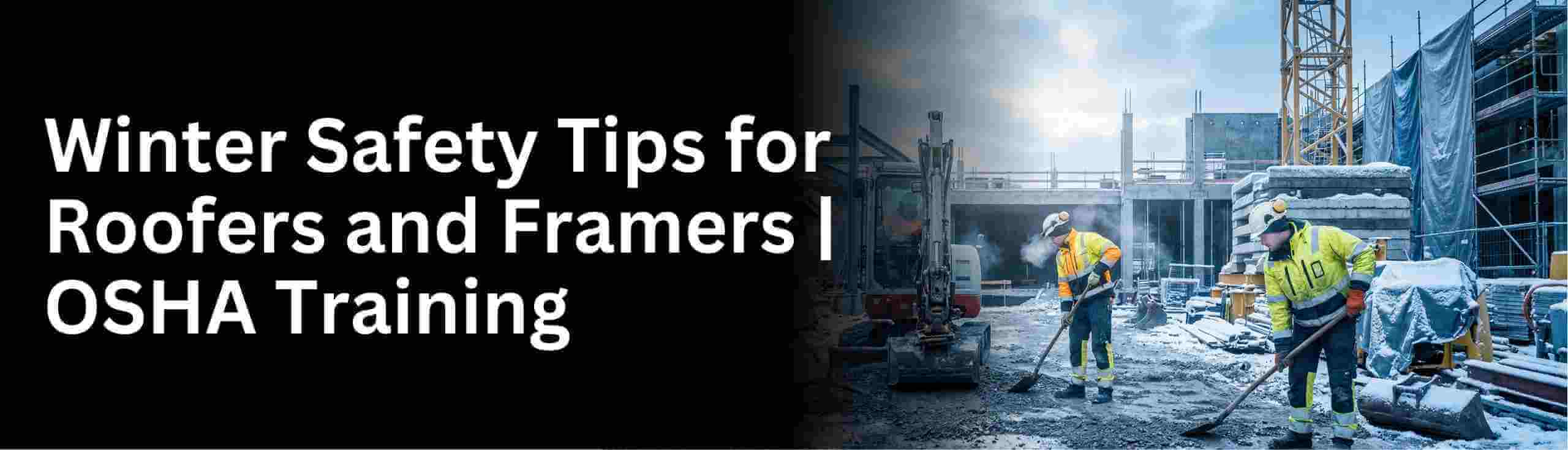
For roofers and framers, winter doesn’t always mean work stops. Projects still need to move forward, even when snow and cold weather show up. Many job sites remain active throughout the winter months, which means crews face challenging conditions while working at height and handling heavy materials.
Snowstorms can quickly change everything on a job site. Roof surfaces become slick, framing areas freeze over, and even simple movements require more effort and attention. Tasks that feel routine in dry weather can become dangerous once snow, ice, and wind are involved.
Working through winter conditions requires extra awareness, better planning, and the right training to keep everyone safe and focused on the job.
Snow and ice make roofing and framing much more hazardous in a short time. A surface that felt solid yesterday can become slippery overnight. Wind, cold temperatures, and low visibility add pressure to work faster, which increases the chance of mistakes and injuries.
Common problems during snowstorms include:Falls remain the leading cause of serious injuries for roofers and framers, and snowstorms make that risk even higher. Snow can hide edges, and ice removes traction, especially on steep roofs or open framing.
Safer winter practices include:Stopping work during severe conditions is not a setback, it is a smart decision.
Cold weather affects both people and equipment. Tools can become stiff, gloves may feel bulky, and frozen materials are harder to control. Dropped tools or sliding materials create serious hazards for workers below.
Best Safety practices in winter include:Small adjustments go a long way when conditions get rough
Cold stress doesn’t always show up immediately. It can build up gradually, causing fatigue, slow thinking, or shaky hands. When workers get too cold, reaction times drop, and the chance of mistakes and accidents increases.
Simple ways to manage cold stress:Staying warm helps crews stay alert and focused on the job.
Winter work requires strong leadership. Weather conditions can change quickly, and crews need clear direction when situations shift.
Best winter planningOSHA 10 Construction training gives workers the knowledge to identify hazards and respond correctly on active job sites. For roofers and framers, many lessons apply directly to winter conditions.
OSHA 10 training helps workers:Supervisors and managers play an important role in winter safety. OSHA 30 Construction training provides deeper knowledge of job site hazards, planning, and leadership.
OSHA 30 training helps supervisors:Snowstorms make roofing and framing work more dangerous, with slippery surfaces, frozen materials, and hidden hazards.
Proper winter planning, attentive supervision, and OSHA training at every level help crews work safely. OSHA 10 teaches workers to spot hazards and use fall protection, while OSHA 30 helps supervisors plan, identify risks, and communicate safety.
Combining these practices keeps workers safer and more confident from the first snowfall to the final cleanup.
Trusted by thousands of workers & supervisors