
Posted On: February 20, 2026
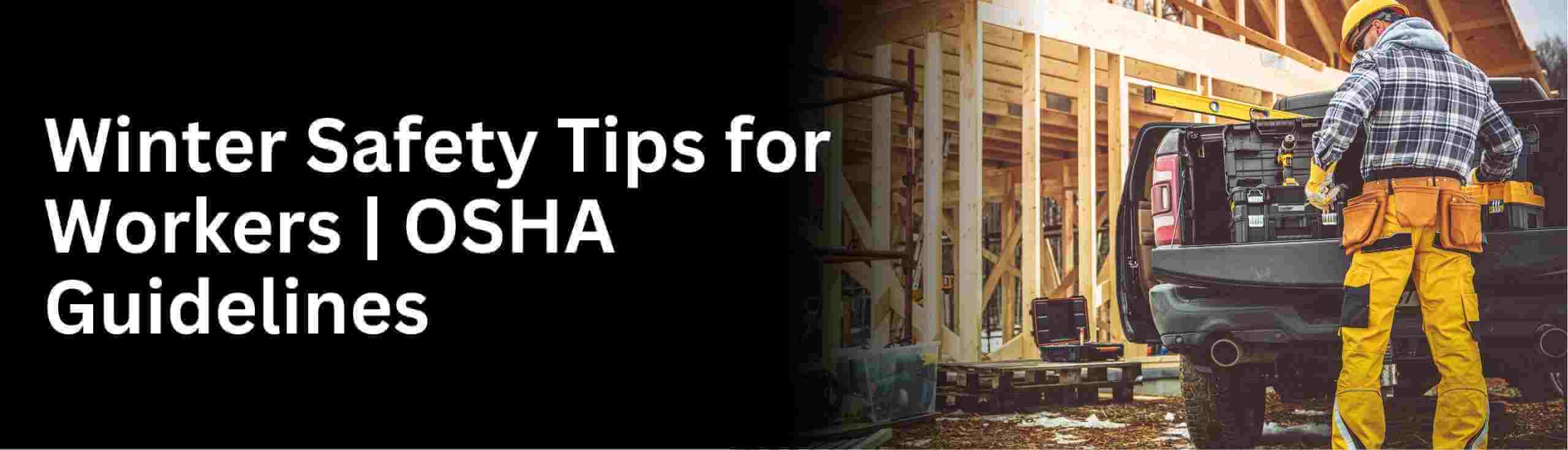
Winter weather can make every day work more dangerous, especially for outdoor workers. Snow, ice, and freezing temperatures create slippery surfaces, poor visibility, and harsh working conditions that increase the chances of injuries. Cold weather can also affect equipment, vehicles, and physical performance, making routine tasks more challenging. The Occupational Safety and Health Administration (OSHA) explains that winter hazards are not limited to cold stress and may also include driving risks, snow removal dangers, equipment injuries, slips and falls, and electrical hazards. Identifying these risks helps workers and employers prepare ahead of time and improve safety during winter operation.
Driving in snow and icy conditions increases crash risks because roads become slippery and visibility is reduced. Although employers cannot control the weather, they can improve winter travel safety by providing proper driver training and keeping vehicles well maintained.
Winter vehicle precautions include:Emergency kits should include blankets, flashlights, jumper cables, water, and traction aids like sand or cat litter.
Workers in road construction or maintenance zones face higher danger during winter because vehicles can skid or lose control on icy roads.
Work zone safety steps:Visibility is especially important during snowstorms and low-light conditions.
Winter storms can leave workers stranded during travel. OSHA recommends staying inside the vehicle and calling for help. Running the engine briefly for heat and keeping the exhaust pipe clear of snow helps lower carbon monoxide risks.
Workers should also:Staying inside the vehicle improves survival chances during severe winter conditions.
Shoveling snow can place heavy strain on the body, especially in freezing temperatures. Cold weather increases physical stress and raises injury risks.
Common snow shoveling dangers:Safe practices include warming up first, lifting small amounts of snow, pushing instead of lifting when possible, and using proper lifting posture.
Equipment like snow blowers introduces mechanical hazards during winter operations. Injuries often occur when workers attempt to clear jams while machines are running.
Safety tips for powered equipment:Following these precautions helps prevent serious injuries.
Removing snow from roofs is one of the most dangerous winter tasks. Snow and ice create slippery surfaces and may hide skylights or weak areas. Heavy snow loads can also increase the risk of structural collapse.
Roof work precautionsPlanning roof work carefully helps control fall hazards.
Slips and falls are among the most common winter workplace injuries. Snow and ice create hazardous walking surfaces across job sites and parking areas.
Slip prevention tips:Taking smaller steps improves balance on slippery ground.
Winter storms can damage electrical systems and create life-threatening hazards. Moisture from snow increases the risk of electrocution, especially during repair work.
Electrical winter risks include:All downed power lines should be treated as energized and avoided.
Workers who are not trained in electrical work should never approach downed or damaged power lines. Only qualified utility workers should handle repairs.
Basic safety steps includeThese precautions help prevent fatal electrical incidents.
Winter weather brings many hazards that can affect workers at the same time. Driving risks, slippery surfaces, heavy snow removal, equipment injuries, and electrical dangers all become more serious in cold and snowy conditions.
OSHA recommends being prepared, providing proper training, and following safety precautions to reduce risks during winter work.
By learning about these hazards and using safe practices, such as wearing protective gear, using the right equipment, and reporting dangers as soon as they are noticed, employers and workers can keep workplaces safer and prevent injuries during snow, ice, and freezing temperatures.
Trusted by thousands of workers & supervisors