
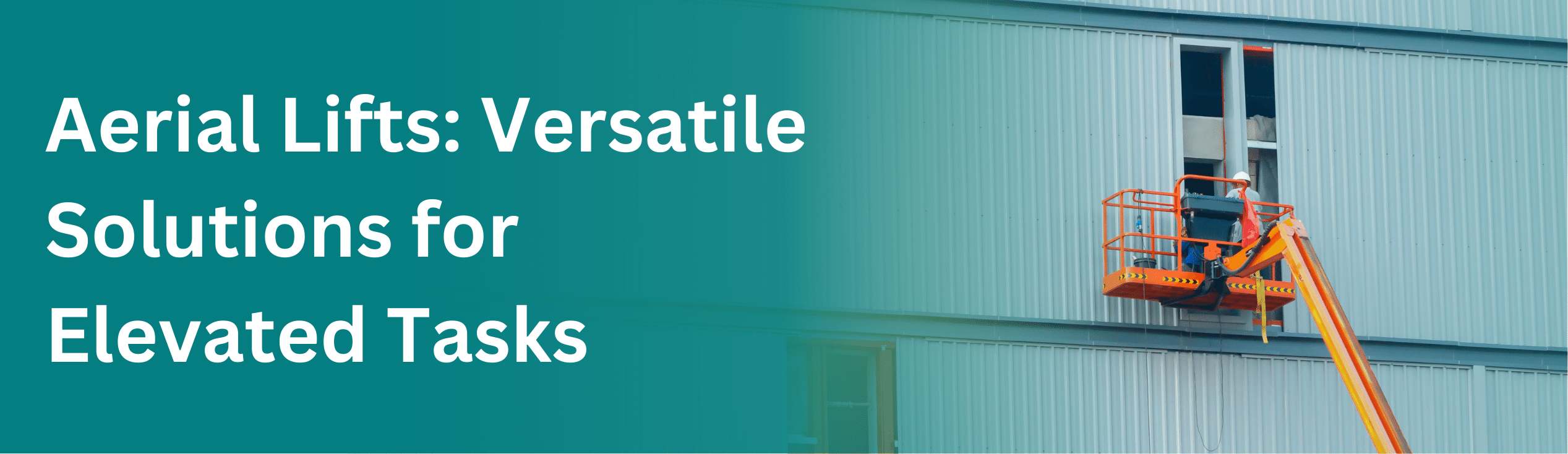
An aerial lift is a type of heavy equipment designed to lift individuals to access elevated areas. It is also known as an aerial work platform, cherry picker, or boom lift. This heavy equipment is used across a range of industries.
Aerial lifts are usually associated with the construction industry, but their broad functionality makes them suitable for a range of tasks. The list of industries that can be facilitated with the aerial lift includes but is not limited to:
There are three types of aerial lifts. The type you will choose depends on various factors, including the capacity of load you need and the kind of work site.
Hydraulic platforms are known as scissor lifts. Its platform is supported by a crisscross framework that extends when raised, providing stability, and folds back when the lift is lowered. Specifically designed for vertical lifting, these lifts are utilized in construction and maintenance tasks. Scissor lifts are capable of raising both heavy loads and workers.
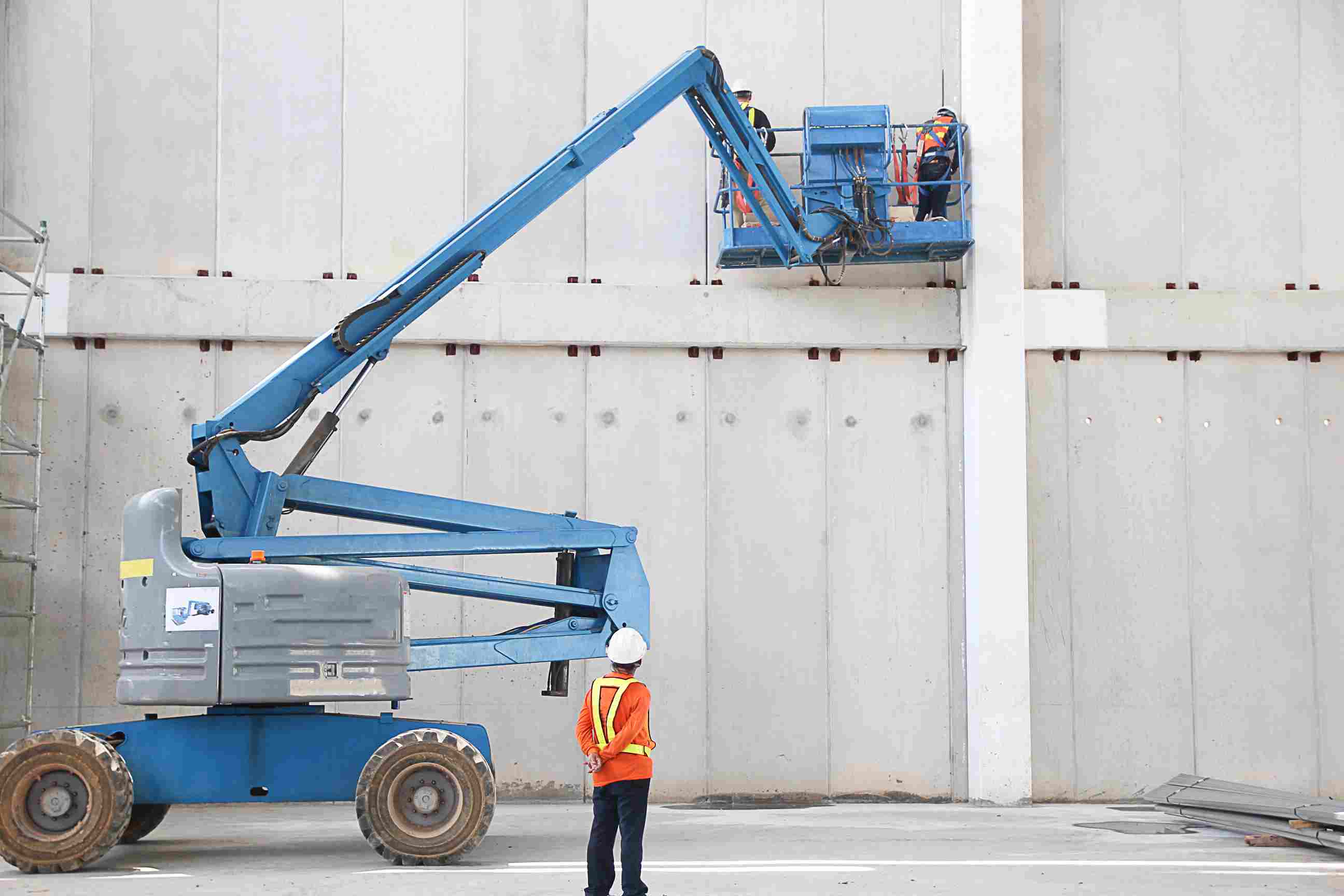
Unlike scissor lift, Boom lift maneuvers around obstacles. Boom lifts are also known as cherry pickers. Equipped with extendable arms possess the capability to reach substantial heights and carry heavier loads. Making them versatile in construction, maintenance, and repair tasks.
Telehandlers can only be used to lift equipment instead of workers. With the ability to extend both vertically and horizontally. Primarily designed for outdoor work, particularly in construction and agriculture. The workers often use telehandlers with a broom or multi-purpose bucket to remove debris and waste products and are also useful for removing snow.
It is imperative to consider a few factors when choosing an aerial lift for your job site.
Aerial lift plays a crucial role in accessing challenging locations with efficiency and safety. It is much safer for the worker instead of using a ladder, whether in a construction or maintenance facility. The versatility of aerial lift proves invaluable. With the use of aerial lift workers can optimize safety and prevent any work-related injuries. Mitigating work-related hazards and preventing injuries also help productivity, keeping downtime low and employers protected from OSHA citations.
Trusted by thousands of workers & supervisors