
Posted On: September 08, 2026
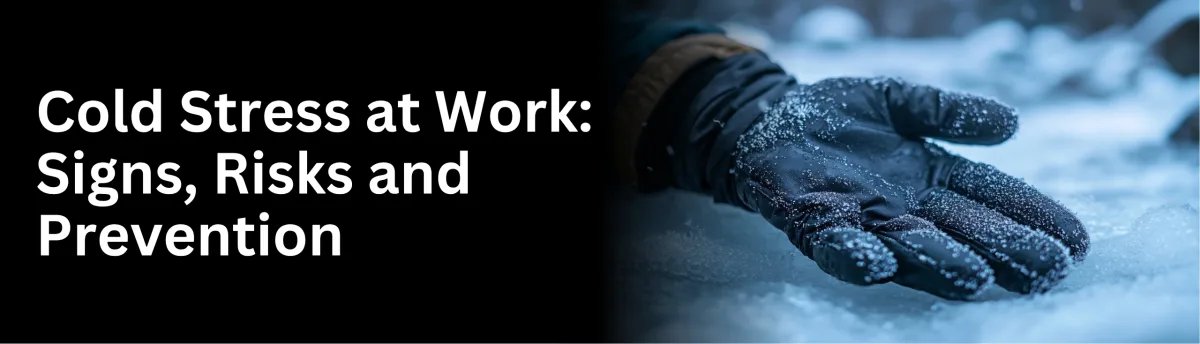
Cold temperatures can affect the body faster than many workers realize.
When workers are exposed to freezing temperatures, strong winds, or wet conditions, the body works to protect vital organs by reducing blood flow to the hands, feet, and other extremities. While this natural response helps the body stay warm, prolonged exposure to cold conditions can increase the risk of cold stress, hypothermia, and frostbite.
Understanding the warning signs early and understanding how the body responds to cold can help workers take action before a minor problem becomes a medical emergency.
One of the first signs of cold stress is shivering. Shivering is the body's way of generating heat through rapid muscle contractions. It is an early warning sign that the body is working harder to stay warm.
Workers who notice this warning sign and take steps to warm up can help reduce the risk of further cold related illness. Moving to a heated area, changing wet clothing, and getting out of the wind can help reduce heat loss.
If cold exposure continues, body temperature may begin to drop. As this happens, workers may become less alert, have slower reaction times, experience confusion, or have difficulty performing routine tasks.
When body temperature drops below 95 degrees Fahrenheit, hypothermia can occur. Symptoms may include confusion, poor coordination, slowed breathing, excessive fatigue, and severe shivering. In more advanced cases, shivering may stop, which can be a sign that the condition is becoming more dangerous.
Cold stress can affect many types of workers, especially those who spend long periods outdoors in cold weather.
Construction workers, utility workers, road crews, agricultural workers, delivery personnel, and workers in unheated buildings may all be exposed to cold stress hazards.
Temperature is only one factor that affects cold stress. Wind can increase heat loss, while wet clothing can lose much of its ability to keep the body warm. Physical fatigue can also reduce the body's ability to maintain its temperature.
New workers and those returning after time away from cold environments may be more vulnerable because they have not yet adjusted to working in cold conditions.
Frostbite occurs when the skin and underlying tissue freeze due to exposure to cold temperatures.
Fingers, toes, ears, nose, and cheeks are the areas most commonly affected.
In the early stages, the skin may become red, cold, painful, or numb. Workers may also notice tingling or a loss of feeling in the affected area.
As frostbite becomes more severe, the skin may turn white or gray and become firm to the touch. At this stage, tissue damage can occur, and medical attention may be needed.
Workers should never rub frostbitten skin because doing so can cause additional damage.
Employers can take several steps to help reduce cold stress hazards in the workplace.
Employers should provide heated break areas, warming shelters, wind barriers, or heated equipment cabs where workers can warm up during cold weather operations.
Work schedules may also need to be adjusted during extremely cold conditions. Employers can provide regular warm-up breaks to reduce workers' exposure to cold temperatures throughout the shift.
Employers should also provide cold-weather clothing and protective equipment when needed. Workers should wear layers of clothing that help retain body heat while protecting against wind and moisture. Insulated gloves, insulated boots, and head protection can help reduce heat loss.
Whenever possible, employers should arrange for workers to work in pairs so they can watch for signs of cold stress in one another.
Cold Stress Awareness Training helps workers understand the signs and symptoms of hypothermia, frostbite, and other cold-related illnesses.
The training also helps workers understand proper clothing selection, safe work practices, emergency response procedures, and ways to reduce exposure to cold conditions.
Workers who understand how cold affects the body are better prepared to identify cold stress hazards and respond before a situation becomes a medical emergency.
Cold stress is something workers should take seriously whenever they are exposed to cold temperatures, strong winds, or wet conditions. Spending too much time in these conditions can cause hypothermia, frostbite, and other cold-related illnesses.
Knowing the warning signs can help workers take action early. Workers should wear clothing that keeps them warm and dry, take warm-up breaks when needed, and report symptoms as soon as they notice them. Employers can also help by providing cold stress training, warm-up areas, and work practices that limit exposure to cold conditions.
Trusted by thousands of workers & supervisors