
Posted On: June 02, 2026
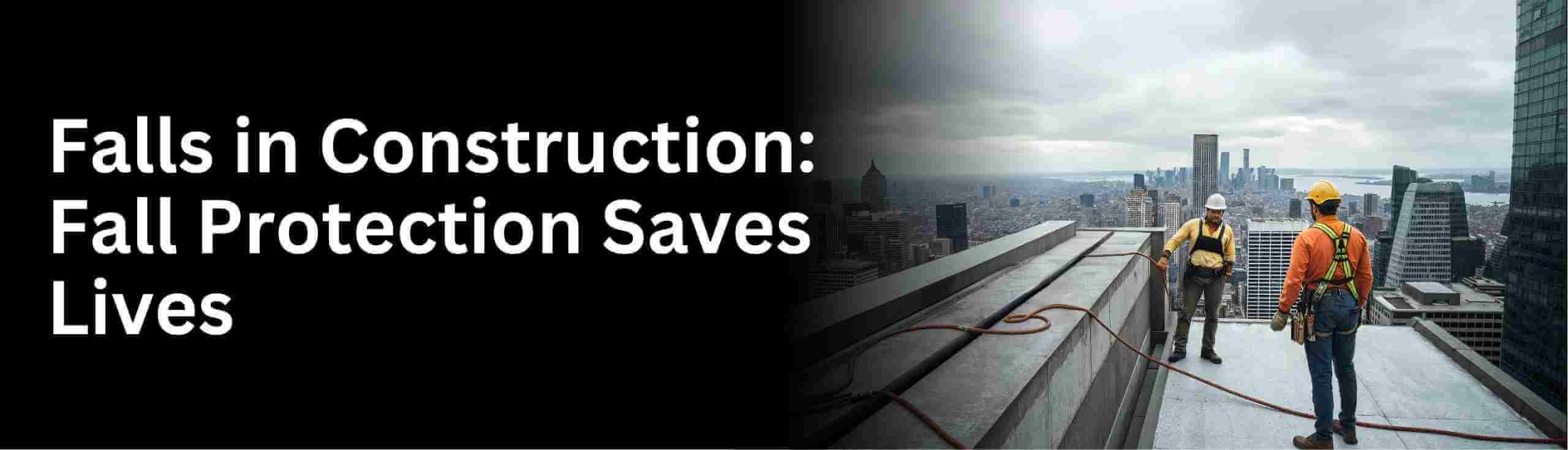
A 20-year-old carpenter was working on an apartment building under construction, installing temporary supports for roof trusses. At some point during that task, he stepped into a second-story stairway opening that had no protection around it. He fell to the concrete walkway below and suffered a skull fracture with serious brain injuries.
This case is documented directly by OSHA. It is not an unusual story. Falls are the leading cause of death in the construction industry, and they have been for decades.
The opening this worker fell through did not appear overnight. It was a known gap in the floor, an unprotected opening leading to a hard surface below. Under OSHA standards, any worker exposed to a fall of six feet or more in construction must be protected. That protection can take one of three forms: guardrails installed around the hazard, a safety net placed below, or a personal fall arrest system worn by the worker.
None of these were in place.What makes this especially difficult to accept is how simple the solution was. A guardrail around that stairway opening costs very little to install and takes very little time. A safety net can be installed across an entire floor opening. A full-body harness with a secure anchor point gives an individual worker the protection they need even if no other protection is in place. Any one of these measures alone could have prevented what happened.
Working at heights is a normal part of construction work. Rooftops, scaffolding, ladders, elevated platforms, floor openings, and unfinished stairways are found on jobsites every day. But just because these conditions are common does not mean injuries or loss of life from this type of work are acceptable. This makes proper fall protection even more important.
OSHA's fall protection standard under 29 CFR 1926 Subpart M exists because the industry has repeatedly documented what happens when workers are left unprotected at height. Citations continue because safety gaps continue to appear on job sites. Supervisors get busy and deadlines create pressure, which can lead to safety being overlooked. Guardrails are sometimes removed for a task and not put back in place. Workers are told to be careful instead of being provided with equipment that actually prevents falls.
The carpenter in this case was 20 years old. He was at the beginning of his working life. What happened to him was not an unavoidable accident. It was the result of required protection not being in place, and it was preventable.
Fall protection is not optional in construction. It is a legal requirement and a basic responsibility on every job site to keep workers safe. Supervisors need to conduct daily inspections to confirm that all floor openings, leading edges, and elevated work areas are properly protected before work begins. Workers need to know what safety protections they should receive, how to use them, and what to do when something is missing.
Falls do not happen because workers are careless. They happen because protections are not in place. In construction, making sure those protections are in place is not extra effort. It is the job.
Proper training is important for preventing falls in construction. The OSHA 10-Hour Construction course covers fall protection as one of its core topics, giving workers a clear understanding of workplace hazards and the safety standards designed to protect them on the job. For supervisors and safety leads responsible for managing construction sites, the OSHA 30-Hour Construction course goes further, covering fall protection planning, site inspection responsibilities, and OSHA compliance requirements in detail.
Training helps workers and supervisors recognize fall hazards early, use fall protection equipment correctly, and take action before incidents occur. With the right training, risks can be identified and controlled before they lead to serious injury.
No worker should lose their life or suffer serious injury because fall protection was missing. With the right planning, awareness, and training, these incidents are preventable.Trusted by thousands of workers & supervisors