
Posted On: August 14, 2026
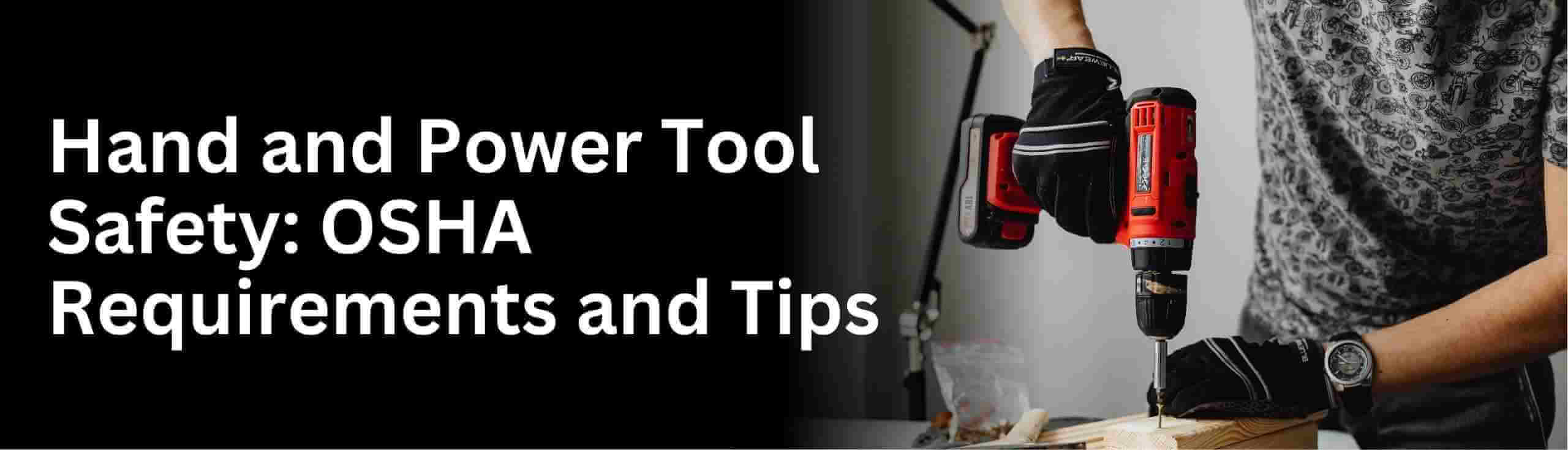
Tools are part of everyday work for millions of employees. A circular saw may be used throughout the day, a hammer may be picked up dozens of times, and a drill may run for hours on a busy jobsite.
Because these tools are so familiar, it can be easy to overlook the injuries they can cause when they are damaged, used incorrectly, or operated without proper protection.
Improper use of hand and power tools can lead to cuts, amputations, eye injuries, fractures, burns, and electrical shocks. OSHA recognizes hand and power tools as workplace hazards and requires employers to maintain tools and equipment in a safe condition.
Tool injuries are not limited to new workers. Someone who has used the same tool for years can still make a mistake or fail to notice a problem.
A guard may be removed because it seems to slow down the work. A worn blade may continue to be used instead of being replaced. A damaged power cord may be ignored because the tool is needed for a quick task. Eye protection may be left behind because the job is expected to take only a few minutes.
These decisions can create serious hazards. Taking a few minutes to inspect the tool and prepare the work area before starting the job can help prevent injuries.
Grinding wheels, circular saw blades, and cutting discs can cause serious injuries when they are damaged, improperly installed, or used incorrectly. Broken wheel fragments, sparks, and flying debris can injure the operator or nearby workers.
OSHA construction standards include requirements for abrasive wheel machinery, such as inspection, guarding, and safe operating practices.
Power tools with damaged cords, missing ground connections, or faulty components can create a risk of electric shock or electrocution. The risk may increase when electrical equipment is used in wet or damp conditions.
Before using a corded power tool, inspect the cord, plug, and tool for damage. Any tool with exposed wiring, a damaged cord, or another electrical defect should be removed from service until it has been properly repaired.
Guards on power tools help protect workers from moving blades, rotating parts, flying chips, and sparks. OSHA requires safety guards to be used on power tools that are designed to have them.
Never remove or bypass a required guard to make a task faster or easier. A missing guard can leave a worker directly exposed to moving parts and increase the risk of serious injury.
Power tools can produce flying chips, sparks, dust, fragments, and other materials that can injure workers nearby. OSHA requires the use of personal protective equipment (PPE) when workers are exposed to hazards from falling, flying, abrasive, or splashing objects.
Safety glasses, goggles, face shields, gloves, hearing protection, and other PPE may be required depending on the tool being used and the task being performed.
OSHA has specific requirements for hand and power tools in both construction and general industry.
For construction, 29 CFR 1926 Subpart I covers hand and power tools. Section 1926.300 requires hand and power tools to be maintained in safe condition and includes requirements for guarding, personal protective equipment, and switches.
For general industry, 29 CFR 1910 Subpart P covers hand and portable powered tools and other hand held equipment. Section 1910.242 states that employers are responsible for the safe condition of tools and equipment used by employees.
Employers should also make sure workers receive the safety information and training required for the hazards and equipment involved in their work.
Hand and Power Tool Safety training helps workers identify common hazards associated with hand tools, power tools, abrasive wheels, electrical equipment, and flying debris. Workers can learn how to inspect tools before use, identify damaged equipment, select the proper PPE, and follow safe work practices on the job.
OSHA 10 Hour Construction and OSHA 10 Hour General Industry training can also help workers learn about common workplace hazards, including those associated with hand and power tools.
OSHA 30 Hour Construction and OSHA 30 Hour General Industry training provide additional safety information for workers who have greater safety responsibilities.
OSHA Training School offers Hand and Power Tool Safety training, as well as OSHA 10 and OSHA 30 training for construction and general industry, online in English and Spanish. The courses are self-paced and can be completed from a phone, tablet, or laptop.
Group pricing is available for employers training ten or more workers.
Hand and power tools make many jobs possible, but they must be used safely. Before starting work, inspect the tool, check its guards and other safety components, select the proper PPE, and make sure the tool is suitable for the task.
A few minutes spent inspecting a tool before use can help prevent injuries and lost productivity. Consistent attention to hand and power tool safety can help reduce hazards and help protect workers throughout the workday.
Trusted by thousands of workers & supervisors