
Posted On: May 26, 2026
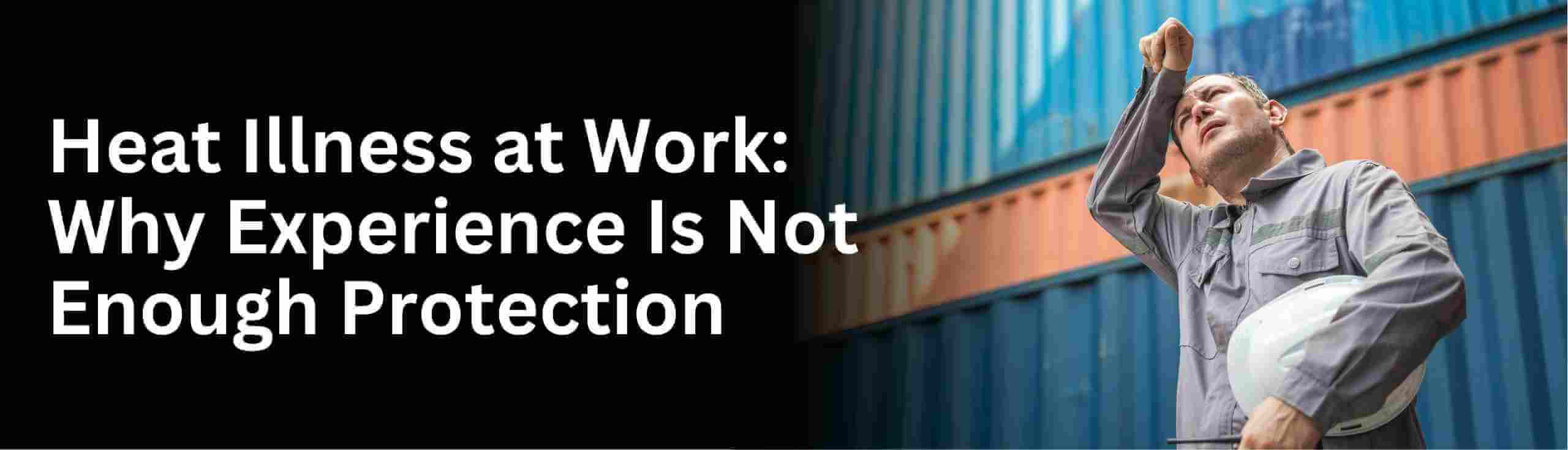
Six years on the job. Familiar routes. A routine he had done hundreds of times before. None of that protected him.
A 50-year-old delivery worker collapsed on his second day of working in suddenly hotter weather. He was hospitalized for two days with acute kidney failure caused by dehydration. He had not started a new job. He had not been reckless. He had simply gone to work on a warmer day than usual, but his body was not ready for it.
This case, documented by OSHA, is one of the clearest reminders about heat risks in the workplace: experience does not make a worker immune to heat-related illness. When the weather changes, everyone is at risk.
The worker's job involved driving and walking through residential neighborhoods to deliver packages. It was physically demanding outdoor work that could be tiring even in mild weather. When temperatures rose sharply in late May, his body had not yet adjusted to the increased heat.
By day two of the warmer weather, he developed heat cramps and heat exhaustion. His kidneys began to fail. He needed intravenous fluids and two days of hospital care before his condition stabilized.
This was not an extreme heat wave. It was a sudden rise in temperature that caught both the worker and the employer unprepared.
Most heat illness prevention plans focus on new workers because the body needs time to adjust to working in hot conditions. New workers have not developed that tolerance yet.
But what this case shows is that even a worker with six years of experience can lose that tolerance over the winter and spring months. When hot weather begins suddenly, experienced workers may need time to adjust to the heat again. Treating them as if they are already fully adjusted is a dangerous assumption.
OSHA's guidance is clear on this point. During the first week of warmer conditions, all workers should be treated as if they are new to the heat. That means shorter shifts in hot conditions, more frequent rest breaks, and close monitoring for early symptoms.
One reason heat illness can surprise people is that the warning signs are easy to dismiss. Muscle cramps can feel like normal fatigue. Feeling lightheaded or nauseous may be mistaken for tiredness or weakness. By the time a worker realizes something is seriously wrong, the condition may have already become more severe.
Early symptoms of heat exhaustion include heavy sweating, weakness, cold and clammy skin, a fast and weak pulse, and nausea. These signs should never be ignored or pushed through. A worker showing these symptoms needs to stop working, move to a cool area, and drink fluids immediately.
If left untreated, heat exhaustion can progress to heat stroke, which is a serious medical emergency.
OSHA's three-word framework for heat illness prevention is simple for a reason. Water, rest, and shade are the basic steps that keep workers safe when temperatures rise.
Workers doing physical outdoor tasks in warm weather need to drink water regularly throughout the shift, not just when they feel thirsty. Thirst is a late sign of dehydration. By the time a worker feels thirsty, fluid levels have already dropped to a point where the risk of heat illness increases.
Rest breaks in shaded or air-conditioned areas give the body time to cool down. Skipping breaks to finish work faster is a choice that is never worth making.
The difference between a close call and a hospital visit is often whether workers and supervisors recognize the early signs and respond right away. That awareness comes from training.
heat illness prevention training teaches workers how to identify symptoms in themselves and in coworkers, how to respond when symptoms appear, and why the first week of warmer weather is the most risky period. It also helps supervisors include heat safety in daily work routines before temperatures reach higher levels.
No worker should end up in a hospital because the weather got warmer. With the right preparation, none of them have to.
Trusted by thousands of workers & supervisors