
Posted On: November 03, 2026
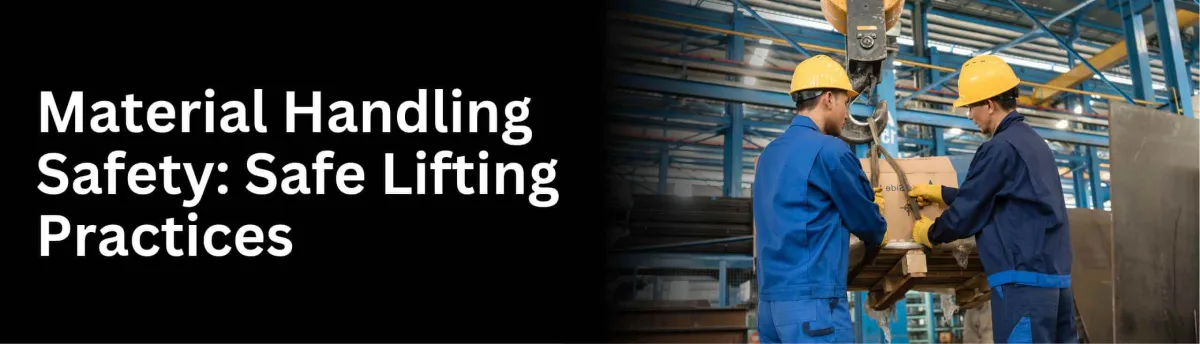
The crew had checked the materials. The straps were in place, the load looked balanced, and the forklift operator was ready to move it.
As the load began to rise, one side shifted. A piece of material slid out and dropped to the ground. Workers nearby stepped back just in time.
The load had appeared secure while it was sitting still. But once it moved, the problem became clear.
Lifting materials is a routine part of construction and industrial work. However, even a small mistake in how a load is prepared, attached, or moved can cause serious injuries. Safe lifting requires more than checking whether the load looks stable. Workers must consider the weight, balance, lifting equipment, rigging, and the area around the lift.
A load may look stable while sitting on the ground but behave differently once it is lifted. As the equipment raises or moves the load, its weight may shift. If the load is uneven, not secured properly, or attached incorrectly, materials can slide, swing, or fall.
Several conditions can cause a load to become unstable:
Workers should never assume that a load is safe simply because it remained in place before the lift began. The load and lifting equipment must be checked before each lift.
Before materials are lifted, workers involved in the operation should follow the lifting procedures and check that the equipment and load are ready.
Key checks include:
If the load shifts, the rigging appears damaged, or workers are unsure whether the lift is safe, the operation should stop. The problem must be checked and corrected before continuing.
A suspended load can fall, swing, or shift without warning. Workers standing beneath or too close to it may have little time to move out of the way.
For this reason, workers should stay outside the load's fall zone unless their task requires them to enter it and all applicable safety requirements are met. The lifting route should also be planned to reduce workers' exposure to suspended loads.
Workers should never stand directly under a suspended load just because it appears stable. Rigging failure, sudden movement, or unexpected changes in conditions can cause the load to fall or shift.
When guiding a load, workers should follow workplace procedures and avoid standing where they could become trapped between the load and another object.
Safe lifting requires clear communication, proper coordination, and controlled movement between the operator and crew.
The forklift or crane operator should follow the equipment's operating procedures and take directions from the designated signal person when one is required. Before and during the lift, workers should keep the lifting path clear and watch the load for any signs of movement or instability.
If the load begins to swing, tilt, or shift, workers must never try to catch it or stop its movement by hand. The operator should stop the lifting operation when it is safe to do so, while the crew moves away from the load and follows established workplace procedures.
The lift should remain stopped until the cause of the movement has been identified, the problem has been corrected, and the load can be moved safely.
OSHA Construction and General Industry training covers topics related to material handling, workplace safety, and proper work practices. Workers learn how improper storage, handling, and movement of materials can lead to workplace injuries.
Employees who operate cranes, forklifts, or other lifting equipment may also need equipment-specific training and qualification, depending on the equipment and applicable OSHA requirements. OSHA 10-Hour and OSHA 30-Hour training alone do not replace this specialized training.
OSHA Training School offers OSHA 10 and OSHA 30 courses online in English and Spanish. Both courses are self-paced and accessible from any device.
A load that looks secure while resting on the ground may shift once it is lifted. Checking its weight, balance, rigging, and lifting path helps workers identify problems before the operation begins.
Workers should use suitable lifting equipment, follow workplace procedures, communicate clearly, and stay clear of suspended loads throughout the lifting operation.
A safe lift starts with proper preparation. Identifying problems before the load leaves the ground can help prevent falling materials, equipment damage, and serious injuries.
Trusted by thousands of workers & supervisors