
Posted On: August 04, 2026
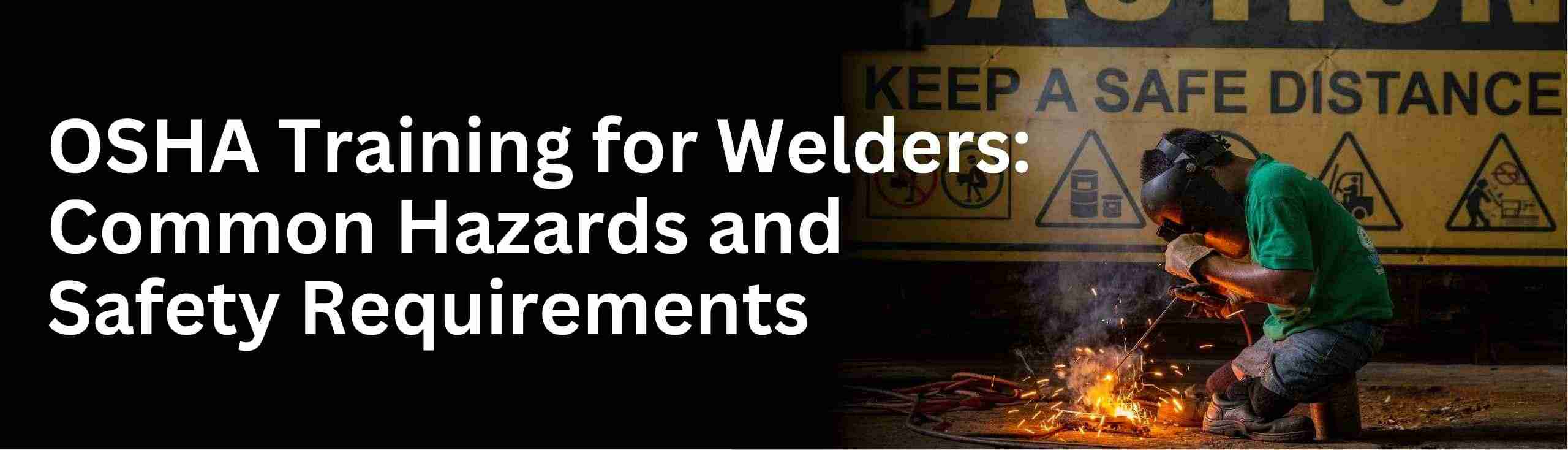
Welding is one of the most skilled jobs in construction and general industry. It takes years to develop expertise, and experienced welders know their work inside and out.
Have you ever stopped to think about the hazards that come with every weld?
Welding exposes workers to heat, bright light, fumes, and electrical energy, all of which can create serious workplace hazards. These hazards can injure workers on construction sites, in shipyards, manufacturing plants, and industrial facilities. Many of these incidents involve experienced welders who did not realize how serious the risks were or did not recognize the hazards until it was too late.
Welding produces fumes that contain metal oxides, silicates, and fluorides, which can accumulate in the lungs over time. Exposure to manganese from welding electrodes has been linked to neurological disorders, while hexavalent chromium released during stainless steel welding is a known carcinogen. OSHA requires employers to control exposure through engineering controls, such as ventilation and fume extraction systems, and provide respiratory protection when necessary.
The welding arc produces intense ultraviolet and infrared radiation. Exposure without proper eye protection can cause photokeratitis, commonly known as arc eye or welder's flash. Wearing the correct lens shade helps protect your vision throughout every shift.
Welding sparks can travel much farther than many workers expect. They can ignite combustible materials, flammable vapors, or gas cylinders that appear to be a safe distance away. Hot work permits, fire watches, and work area inspections help reduce the risk of fires and explosions during welding operations.
Welding inside tanks, vessels, pipelines, and other enclosed spaces creates additional hazards. Oxygen levels can decrease, toxic fumes can accumulate, and combustible gases may create fire or explosion hazards. Permit-required confined space procedures should be followed before welding begins in these environments.
Electric shock remains one of the most serious hazards in welding. Damaged cables, poor grounding, wet conditions, and working inside metal structures can all increase the risk. Inspecting welding equipment before use and correcting electrical hazards can help prevent serious injuries.
Workers performing welding, cutting, or brazing on construction sites should take the OSHA 10 Hour Construction course. It covers common construction hazards, including welding related hazards, under 29 CFR 1926 standards. The course is available online in English and Spanish and can be completed at your own pace.
Supervisors, foremen, and project managers responsible for welding operations should consider the OSHA 30 Hour Construction course. It provides additional training on hazard recognition, hot work safety, OSHA recordkeeping, and employer responsibilities for maintaining a safe job site.
Both courses are available online through OSHA Training School. Training is self-paced, can be completed from any computer, tablet, or smartphone, and includes a printable certificate after completion. The official DOL OSHA card is mailed upon successful completion.
Group pricing is available for welding contractors and employers enrolling ten or more workers.
Welding hazards can lead to serious injuries, but proper training can help workers recognize and avoid them. OSHA training provides welders with the knowledge to identify workplace hazards, follow safe work practices, and make informed decisions on the job. Whether you are an individual welder looking to improve your safety knowledge or an employer training an entire team, OSHA training is an important step toward creating a safer workplace for everyone.
Trusted by thousands of workers & supervisors