
Posted On: September 01, 2026
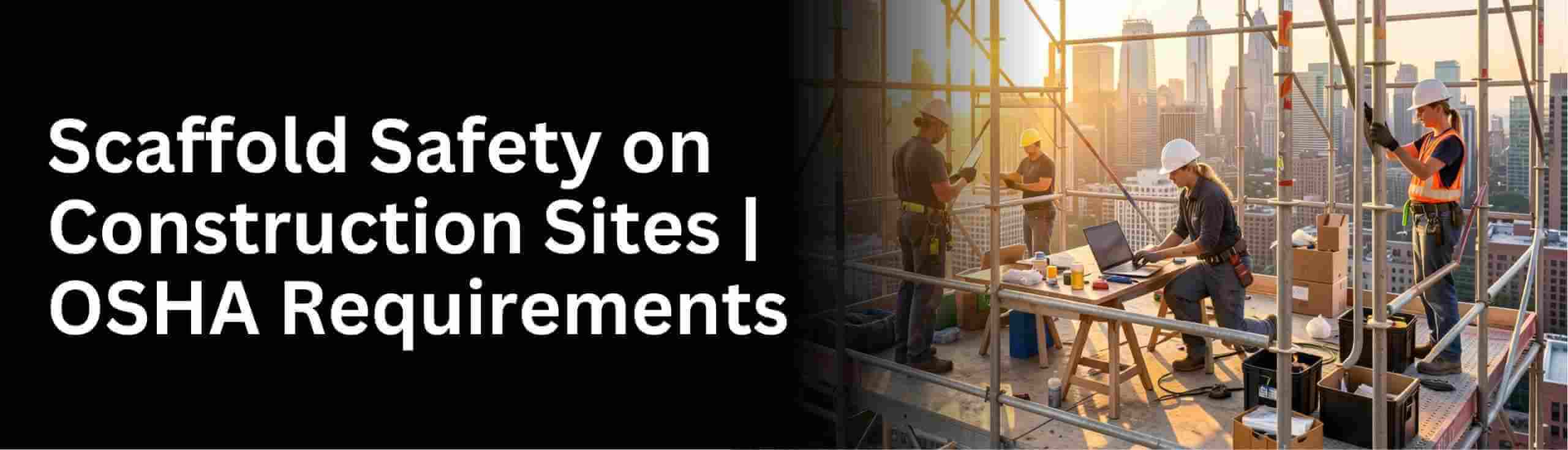
Most scaffold accidents are not caused by bad luck.
They are usually caused by small decisions that may seem reasonable at the time. A worker climbs a scaffold that has not been inspected that morning because it looked fine the day before. A crew adds materials to a platform without checking the load rating. A foreman allows a worker to stand on the top rail to reach a higher area because using the proper safe method would take too long.
Each decision may seem minor, but together they can create conditions that lead to a scaffold collapse, a fall, or a planking failure that can result in serious injuries.
Scaffolding is covered by OSHA's construction standard under 29 CFR 1926 Subpart L. Here are some common mistakes workers and supervisors should avoid.
A scaffold that passed inspection Monday morning is not automatically safe on Tuesday afternoon. Weather can affect ground conditions under base plates. Vibration from nearby equipment can loosen connections. Other crews may add materials or modify the platform.
Morning inspections are important because scaffold conditions can change. A competent person should inspect the scaffold before workers use it each day. If the required inspection has not been completed, workers should not use the scaffold.
Scaffold planks can have damage that is not easy to see. Wood that looks fine on the surface may have rot, cracks, or moisture damage that can weaken the plank when weight is placed on it.
Every plank on a scaffold platform should be inspected before use, properly secured, and capable of supporting the load placed on it. Planks that extend too far beyond their supports or do not extend far enough can create hazards for workers.
Taking time to inspect the planks before use can help prevent falls and other injuries.
Guardrails are an important part of scaffold safety. Under OSHA requirements, scaffolds more than 10 feet above a lower level generally require fall protection, including guardrails that meet specific requirements.
The top rail must generally be between 38 and 45 inches above the platform. A midrail must be installed between the top rail and the platform. Toeboards may also be required to help prevent tools and materials from falling onto workers below.
A damaged guardrail, missing midrail, or improperly secured guardrail can reduce the protection provided to workers.
How workers get onto and off a scaffold matters. Climbing the cross braces of a supported scaffold is not permitted as a means of access.
Using a ladder that is not properly secured can create a fall hazard. Workers should use a proper access system, such as a portable ladder, internal ladder, stair tower, or another system that meets OSHA requirements.
Even if climbing the scaffold frame seems faster, workers should always use the required access system.
Scaffold load ratings apply to every job, regardless of its size. A supported scaffold must support its own weight and at least four times the maximum load it is rated to carry.
Workers, materials, tools, and equipment all add weight to the platform. Adding more weight than the scaffold is rated to support can create a serious hazard and may cause the scaffold or its components to fail.
Workers and supervisors should know the scaffold's load rating and make sure the platform is not overloaded.
OSHA's Scaffold standard under 29 CFR 1926 Subpart L includes requirements for scaffold construction, inspection, access, fall protection, and load capacity.
Scaffolds must be erected, moved, dismantled, or altered under the supervision and direction of a competent person. A competent person must also inspect scaffolds and scaffold components for visible defects before each work shift and after any event that could affect the scaffold's stability and safety.
Workers involved in erecting, dismantling, moving, operating, repairing, maintaining, or inspecting a scaffold must receive training from a competent person on the hazards associated with the work and the proper procedures for the type of scaffold being used.
Workers who use scaffolds must receive training from a qualified person on the hazards associated with the type of scaffold being used. This training includes fall hazards, falling object hazards, electrical hazards, proper scaffold use, handling materials on the scaffold, and the scaffold's load capacity.
OSHA 10 Hour Construction training helps workers understand scaffold safety requirements, recognize common scaffold hazards, understand access and fall protection requirements, and identify unsafe conditions before using a scaffold.
OSHA 30 Hour Construction training provides supervisors and foremen with additional information about scaffold safety, competent person responsibilities, scaffold inspections, load capacity, and managing scaffold hazards on an active job site.
Both courses are fully online through OSHA Training School and are available in English and Spanish. The courses are self paced, accessible on any device, and can be completed according to your schedule. Upon completion, workers receive an OSHA DOL card.
Scaffold safety depends on proper inspections, safe access, secure planking, guardrails, and following the scaffold's load rating. Workers should never assume that a scaffold is safe simply because it was safe the day before.
Taking a few minutes to inspect the scaffold and report unsafe conditions can help prevent falls, collapses, and serious injuries. Workers and supervisors should understand scaffold hazards through proper OSHA training and follow OSHA requirements every time they work at an elevated level.
Trusted by thousands of workers & supervisors