
Posted On: July 10, 2026
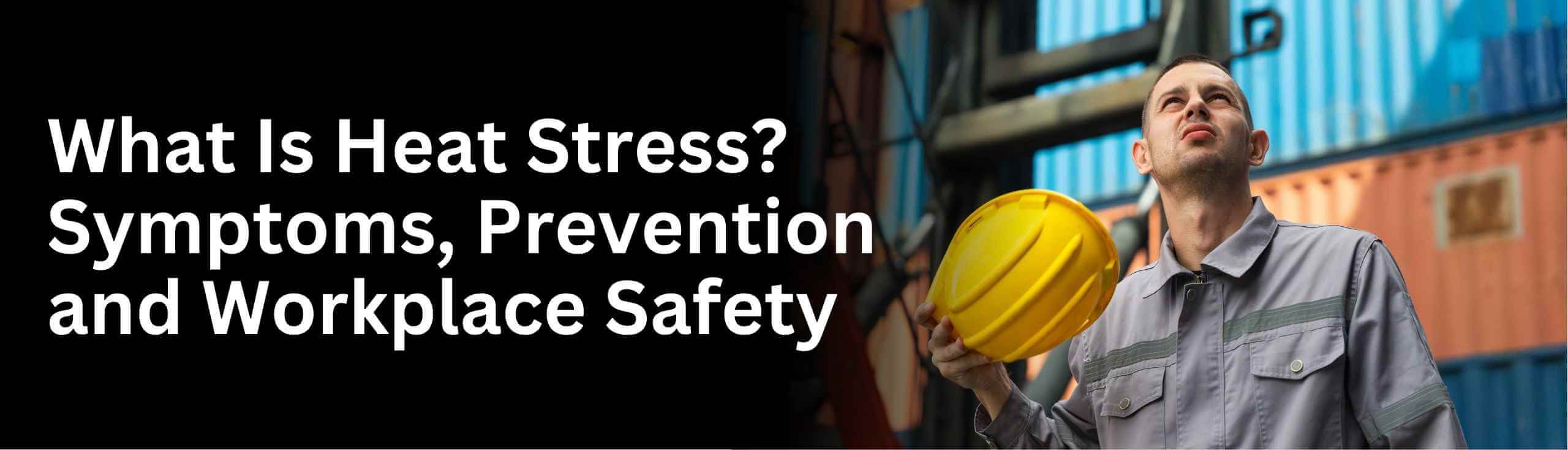
Most workplace hazards are easy to identify. Workers can easily see exposed electrical wires, moving equipment, or fall hazards before an incident occurs. Heat, however, is different. It develops gradually and can affect workers before they realize they are in danger. What may start as fatigue, excessive sweating, or muscle cramps can quickly become a serious medical emergency if the warning signs are ignored.
Heat stress is one of the most common environmental hazards affecting outdoor workers. Construction workers, roofers, road crews, agricultural workers, landscapers, and utility employees often spend long hours working in high temperatures and direct sunlight. Indoor workers in warehouses, manufacturing facilities, and commercial kitchens may also work in hot environments that increase the risk of heat-related illnesses.
Heat stress occurs when the body absorbs more heat than it can release. Under normal conditions, the body regulates its temperature through sweating and increased blood flow to the skin. These natural cooling mechanisms help maintain a safe internal temperature.
However, when temperatures are high, humidity levels increase, or physical activity becomes intense, the body's cooling system may struggle to keep up. As a result, body temperature can rise to dangerous levels, increasing the risk of heat-related illnesses.
Heat stress is not a single condition. Instead, it refers to a range of heat-related illnesses that occur when the body cannot effectively cool itself.
Heat-related illnesses often develop in stages. Recognizing the early warning signs can help prevent a minor condition from becoming a medical emergency.
Heat cramps are often the first sign that the body is struggling with heat exposure. These painful muscle spasms usually occur after excessive sweating causes the body to lose fluids and electrolytes.
Heat exhaustion is a more serious condition that may cause heavy sweating, weakness, dizziness, headaches, nausea, fatigue, and pale or clammy skin. Anyone experiencing these symptoms should stop work, move to a cool area, and drink water.
Heat stroke is the most severe heat-related illness and requires immediate medical attention. Symptoms may include confusion, loss of consciousness, seizures, hot skin, and a body temperature above 103°F. Without quick treatment, heat stroke can lead to permanent organ damage or death.
Any worker exposed to high temperatures can develop heat stress, but some occupations face greater risks than others. Construction workers, roofers, road workers, agricultural employees, delivery workers, and emergency responders often perform physically demanding tasks in hot environments. Workers who wear heavy personal protective equipment (PPE) may also be at increased risk because protective clothing can limit the body's ability to cool itself.
New employees and workers returning after an extended absence are particularly vulnerable. Their bodies may not yet be accustomed to working in hot conditions.
Acclimatization is the process of gradually adapting to working in hot environments. As workers become acclimatized, their bodies become more efficient at regulating temperature, sweating, and managing heat exposure.
New and returning workers should be given time to adjust to hot conditions by gradually increasing their workload over several days. This allows the body to adapt to the heat and helps lower the risk of heat-related illnesses. A gradual adjustment period is one of the most effective ways to protect workers from heat stress, particularly during the first few days of working in hot environments.
Although OSHA does not currently have a specific heat stress standard, employers are responsible for protecting workers from recognized workplace hazards under the Occupational Safety and Health Act's General Duty Clause. OSHA's heat illness prevention guidance emphasizes three simple principles: water, rest, and shade.
As awareness of heat-related hazards continues to grow, employers are encouraged to develop heat illness prevention programs, train workers on heat-related risks, and implement measures to reduce heat exposure in the workplace.
Acclimatization is the process of gradually adapting to working in hot environments. As workers become acclimatized, their bodies become more efficient at regulating temperature, sweating, and managing heat exposure.
Heat stress training helps workers understand the hazards associated with working in hot environments and how to protect themselves from heat-related illnesses. Training should cover the signs and symptoms of heat cramps, heat exhaustion, and heat stroke, as well as the importance of hydration, rest breaks, and acclimatization.
Workers should also learn how environmental conditions, physical exertion, and personal risk factors can increase the risk of heat stress. Supervisors may require additional training on monitoring heat conditions, recognizing symptoms among workers, and taking appropriate action when a heat-related illness occurs.
Most heat-related illnesses can be prevented through proper planning, training, and workplace controls. Employers should provide access to cool drinking water, encourage workers to stay hydrated throughout the day, and provide shaded or air-conditioned areas where workers can rest and cool down.
During periods of extreme heat, work schedules may need to be adjusted to reduce heat exposure. Whenever possible, physically demanding tasks should be performed during cooler parts of the day, and workers should be given additional rest breaks to help their bodies recover. Training also plays an important role in preventing heat-related illnesses.
Workers should be able to recognize the signs and symptoms of heat stress and understand when to seek help. Supervisors should know how to identify heat-related hazards, monitor workers for symptoms, and respond quickly if someone begins showing signs of a heat-related illness.
Yes. Heat stress training is available online through OSHA Training School. The course can be completed on a computer, tablet, or smartphone, allowing workers and supervisors to learn at their own pace. Online training provides a convenient way to understand heat-related hazards, prevention strategies, and emergency response procedures without disrupting work schedules.
Heat stress is a common workplace hazard, particularly for employees who work outdoors or in hot environments. Fortunately, most heat-related illnesses can be prevented through awareness, training, and proper planning. Understanding the risks, recognizing the early warning signs, staying hydrated, and following safe work practices can help reduce heat-related injuries and illnesses.
When employers and workers work together to identify heat hazards and follow preventive measures, they can create a safer and healthier work environment for everyone on the job.
Trusted by thousands of workers & supervisors