
Posted On: October 13, 2026
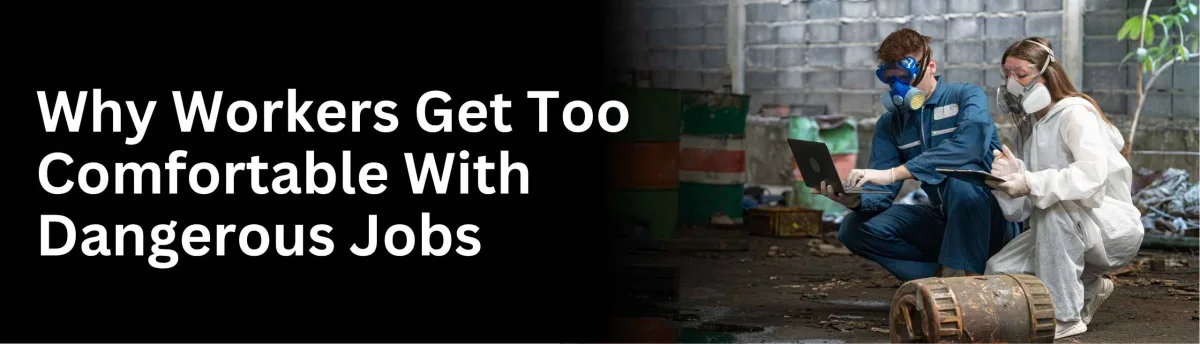
A job that feels routine can still put a worker at risk.
A construction worker may operate the same equipment every morning. A maintenance worker may repair the same machine several times a week. A warehouse employee may follow the same route through the facility every day.
After doing a task repeatedly, workers can become so familiar with it that they stop paying close attention to the details.
They may assume the equipment will work as expected, the work area will be safe, or the same steps that worked yesterday will work today.
That sense of familiarity can affect the decisions workers make. They may overlook a change in the work area, skip a safety check, or continue working even when something does not seem right.
Experience is valuable, but it does not remove workplace risks.
Experienced workers often know their jobs well. They understand the equipment, the work process, and the challenges they may face.
However, knowing a job well can sometimes lead to overconfidence.
A worker who has used a ladder hundreds of times may climb it without checking its condition. An employee who operates a machine every day may assume it is working normally without paying attention to unusual sounds or movements.
These decisions may seem harmless when nothing goes wrong. Over time, however, workers can start treating safety checks as unnecessary.
The problem is not experience itself. The problem begins when familiarity replaces careful judgment.
Workplaces do not remain exactly the same from one day to the next.
A delivery may leave materials in a walkway. Rain may make an outdoor work area slippery. Another crew may move equipment closer to an excavation. A machine may begin making an unusual noise.
Workers who focus only on the task in front of them may miss these changes.
For example, a worker who normally walks through a clear area may not expect a forklift to be operating nearby. If the work area has changed, the worker needs to adjust rather than rely on yesterday's routine.
Before starting a task, workers should look at the work area, check the equipment they will use, and pay attention to anything that has changed.
Safety procedures can begin to feel repetitive when workers perform the same task every day.
Some workers may skip an inspection because the equipment worked properly the previous day. Others may leave out a step because they believe it takes too much time or is unlikely to make a difference.
For example, a worker may remove a machine guard to complete a task faster or enter a restricted area because they have done it before without an incident.
These choices can expose workers to serious injury.
A safety procedure is not unnecessary just because a worker has completed the task many times without getting hurt. Each step has a purpose, and workers should follow the required procedures every time.
Equipment that workers use every day can become easy to overlook.
A damaged electrical cord, a loose machine part, a missing guard, or a faulty ladder may not be obvious at first glance. Workers may also become accustomed to unusual sounds or movements and stop treating them as warning signs.
Workers should inspect equipment as required before use and report damage or unusual conditions. Equipment that is unsafe should not be used until the problem has been addressed according to workplace procedures.
Routine use should never replace proper inspection.
Workers do not need to treat every familiar task as a new job. They do need to remain aware of their surroundings and follow the required safety procedures.
A few practical habits can help:Supervisors also play a role. Regular conversations about work practices, equipment inspections, and changing site conditions can help workers avoid relying too heavily on routine.
Many workplace tasks become easier with experience. Workers learn how to use equipment, manage their time, and complete their responsibilities more efficiently.
But experience should help workers make better decisions, not encourage them to ignore safety steps.
The work area may change. Equipment may fail. A routine task may present a problem that was not there before.
The safest workers are not those who assume they know exactly what will happen. They are the ones who use their experience while continuing to pay attention, follow procedures, and respond when conditions change.
No matter how many times you have done a job, take the time to do it safely every time.
Trusted by thousands of workers & supervisors