
Posted On: September 04, 2026
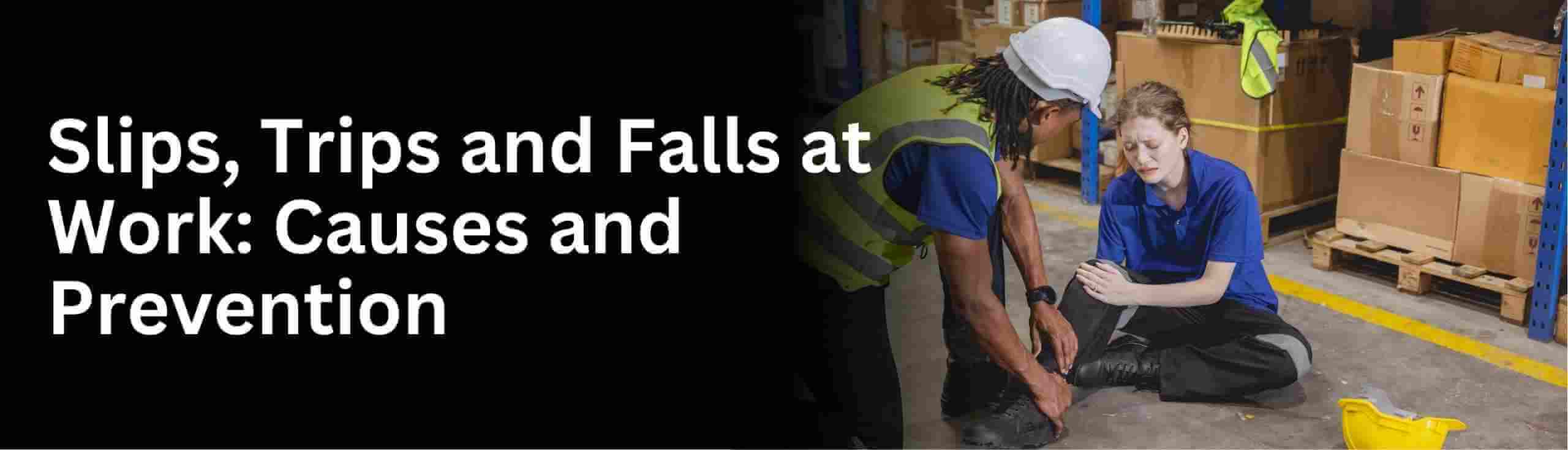
A wet floor. A cord stretched across a walkway. A damaged section of flooring. These hazards may seem minor, but they can cause workplace injuries when they are overlooked.
Slips, trips, and falls are among the most common workplace hazards in general industry. They can occur in warehouses, manufacturing facilities, retail stores, offices, healthcare settings, and many other work environments. A worker may slip on a wet surface, trip over an object left in a walkway, or lose footing because of an uneven floor surface.
Many of these incidents can be prevented through good housekeeping, routine inspections, proper maintenance, and worker awareness. Identifying and correcting hazards before someone gets hurt is an effective way to help keep the workplace safer.
The causes of slips, trips, and falls are often simple and easy to identify.
Wet or contaminated floors caused by spills, cleaning operations, or weather conditions can increase the risk of slips and falls. Floors should be cleaned quickly, and warning signs should be used when necessary until the hazard has been removed.
Poor housekeeping is one of the most common causes of trip hazards in the workplace. Cords stretched across walkways, boxes left in aisles, tools left on the floor, and debris that builds up during a shift can all create hazards for workers. Keeping work areas organized and free from unnecessary materials can help reduce the risk of trips and falls.
Poor lighting in work areas, stairways, loading docks, storage rooms, and walkways can make hazards difficult to see. Workers may not notice obstacles, uneven surfaces, or changes in elevation when visibility is limited. Proper lighting helps workers identify hazards and move safely throughout the workplace.
Footwear plays an important role in preventing slips. Shoes that do not provide enough traction, or grip, on the walking surface may increase the risk of slipping, especially in areas where floors are wet or smooth. Workers should wear shoes that provide good grip and are suitable for the conditions in their work area.
Uneven surfaces, damaged flooring, missing threshold plates, and changes in floor level can create trip hazards if they are not properly maintained or clearly marked.
Regular inspections can help identify these conditions before they cause an incident.
An effective prevention program begins with regular inspections of work areas to identify and correct hazards before an injury occurs.
Workplaces should set clear housekeeping rules so workers understand their responsibilities for keeping walking and working surfaces free from hazards.
Supervisors should make sure identified hazards are corrected quickly, and workers should be encouraged to report unsafe conditions when they notice them.
The most effective programs focus on identifying hazards early and correcting them before they cause an incident.
OSHA 10-Hour General Industry training helps workers identify slip, trip, and fall hazards, understand OSHA requirements for walking and working surfaces, and learn how to report unsafe conditions in the workplace.
OSHA 30-Hour General Industry training provides supervisors and safety managers with additional information about workplace inspections, housekeeping practices, hazard identification, and managing slip, trip, and fall hazards throughout a facility.
Workers may also benefit from Slips, Trips, and Falls Prevention Training, which focuses specifically on identifying common slip, trip, and fall hazards, improving housekeeping practices, identifying unsafe walking and working surfaces, and helping reduce the risk of workplace injuries.
These courses are fully online through OSHA Training School and are available in English and Spanish. The courses are self-paced, accessible on any device, and can be completed according to your schedule.
Upon completion of OSHA 10-Hour General Industry or OSHA 30-Hour General Industry training, workers receive an OSHA DOL card. Upon completion of the Slips, Trips, and Falls Prevention Training, workers receive a certificate of completion.
Slips, trips, and falls may seem like small workplace hazards, but they can lead to serious injuries. Keeping floors clean, walkways clear, and work areas in good condition can go a long way toward preventing these incidents.
Everyone in the workplace has a role to play. Workers should speak up when they see a hazard, and supervisors should take action to correct unsafe conditions. A wet floor, an object left in a walkway, or a damaged surface may only take a few minutes to correct, but doing so can help prevent someone from getting hurt.
By paying attention to walking and working surfaces and taking action when hazards are found, workers and supervisors can help make the workplace safer for everyone with the right OSHA training.
Trusted by thousands of workers & supervisors