
Posted On: March 20, 2025
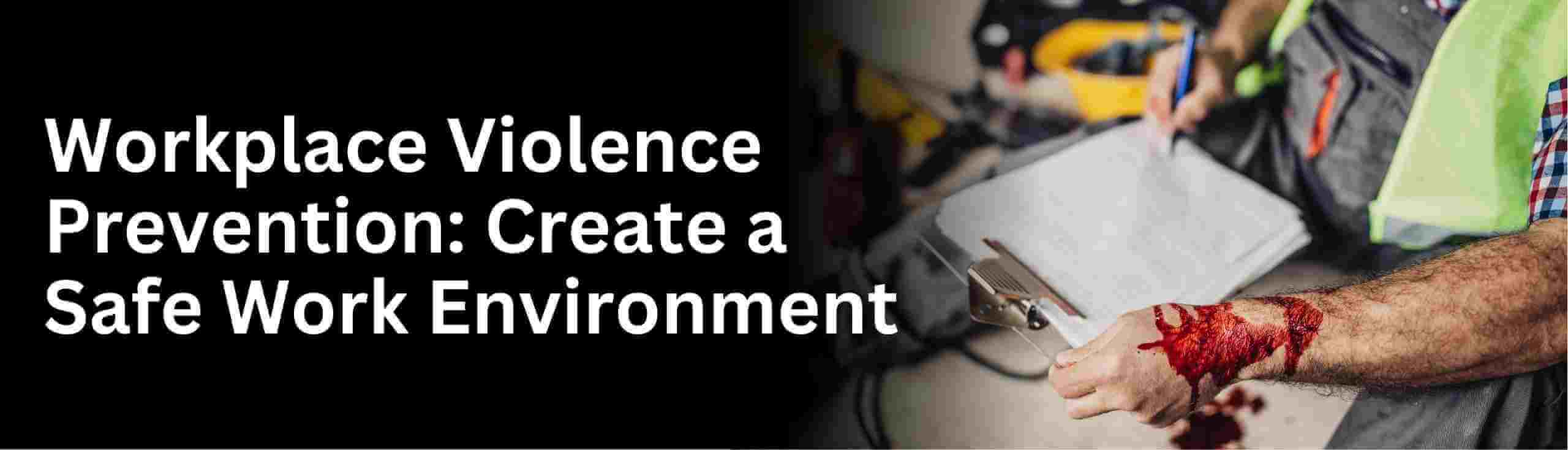
Workplace violence is a serious and growing concern across all industries, affecting employees at every level. It is not limited to physical attacks or injuries. It also includes threats, harassment, intimidation, and any behavior that creates fear, stress, or discomfort in the workplace. These incidents can happen at any time, often without warning, which is why awareness and prevention are important.
A workplace where employees feel unsafe can lead to stress, low morale, and reduced productivity. It can also increase absenteeism and employee turnover, affecting the overall performance of the organization. Employers must take clear steps to maintain a safe work environment, while employees should stay alert to warning signs and report any unsafe behavior.
Workplace violence refers to any act or threat of violence that occurs in a work setting. This includes physical attacks, verbal abuse, harassment, and threatening behavior. It can take many forms, ranging from direct physical harm to repeated verbal intimidation or psychological pressure.
Workplace violence can occur in offices, construction sites, hospitals, retail stores, and manufacturing facilities. Understanding the different types of workplace violence helps organizations identify risks and take steps to prevent incidents before they occur.
Workplace violence can be divided into several categories:
This includes hitting, pushing, or any form of physical assault. Physical violence is the most visible form of workplace violence and can cause serious injuries.
Verbal abuse includes yelling, threatening, or using offensive language toward employees. While it may not leave physical marks, it can still cause emotional stress and anxiety.
Harassment and intimidation involve repeated unwanted behavior that creates fear or discomfort. This may include bullying, spreading rumors, or targeting certain employees.
Threats of harm, whether direct or indirect, are taken seriously in the workplace. Even if no physical harm occurs, the fear created can negatively affect employee performance and well-being.
Early recognition of warning signs can help prevent dangerous incidents. Employees and managers should watch for:
Employees should be urged to report these signs so organizations can take action before situations escalate.
Preventing workplace violence requires careful planning and effort from both employers and employees. Important measures include:
By taking these steps, organizations can reduce the risk of workplace violence and maintain a safer, more productive workplace.
One of the most effective ways to prevent workplace violence is through proper training. OSHA Training School offers a Workplace Violence Prevention Course that teaches employees about different types of workplace violence, risk factors, warning signs, and prevention strategies.
Completing the training helps employees:
Workplace violence can happen in any organization, but it can be prevented. By identifying warning signs, putting clear policies in place, providing proper training, and having employees report concerns, organizations can create a workplace that is safe, respectful, and productive.
A safe workplace is one where employees can focus on their work without fear, feel valued, and work well together. Taking steps to prevent violence not only protects employees from harm but also improves morale, builds trust, and contributes to the overall success of the organization.
Trusted by thousands of workers & supervisors