
OSHA unveiled a national emphasis program (NEP) aimed at warehousing and distribution center operations on July 13, 2023. The program outlines the policies and procedures for enacting a National Emphasis Program (NEP) focused on identifying and mitigating hazards in warehousing and distribution center operations, mail/postal processing and distribution centers, parcel delivery/courier services, and specific high injury rate retail establishments.
Warehousing centers play a crucial role in the global supply chain, handling and storing various goods that move from manufacturers to consumers. However, with the rapid growth of these operations, ensuring the safety and well-being of workers becomes paramount. To address this concern, the Occupational Safety and Health Administration (OSHA) introduced the National Emphasis Program (NEP) for Warehousing Center Operations. In this blog, we will delve into the significance of this program, its objectives, and the steps taken to enhance workplace safety within warehousing centers.
Every inspection conducted under this NEP will concentrate on workplace dangers that are prevalent in the industries mentioned above. These dangers encompass, but are not restricted to, powered industrial vehicle operations, material handling and storage, walking-working surfaces, means of egress, and fire protection. Additionally, all inspections covered by this NEP will take into account heat and ergonomic hazards, and if OSHA discovers the presence of such hazards, a health inspection will also be carried out.
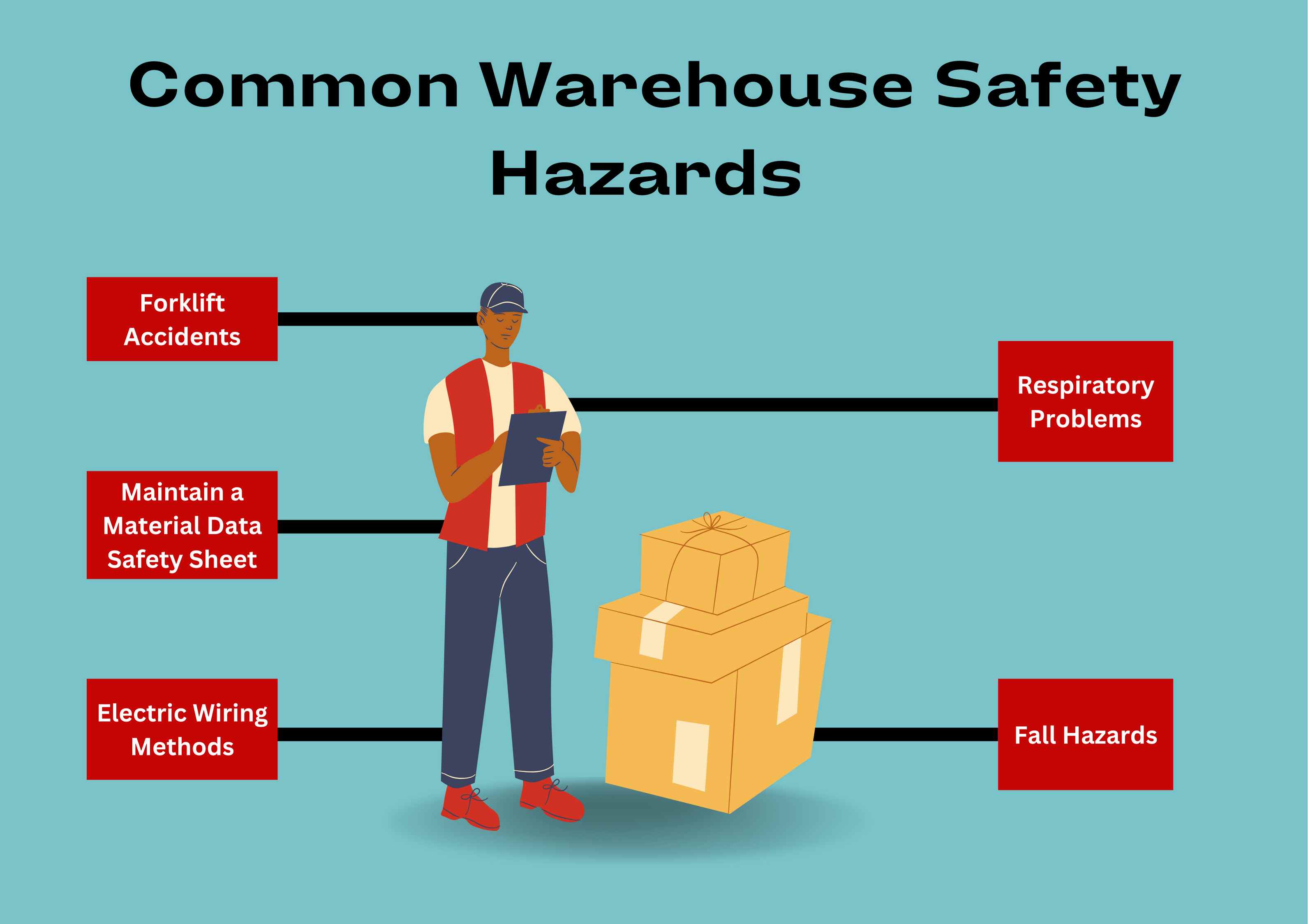
Warehousing and distribution center operations present a range of severe safety and health risks. These hazards encompass struck-by, caught-in-between, slips, trips, and falls, as well as blocked aisles, means of egress, powered industrial vehicles, and material handling equipment, heat-related dangers, and ergonomic issues. Incidents arising from these hazards can lead to fatal or grave physical harm.
Over the past decade, the warehousing and distribution center industry has witnessed substantial growth. Between January 2011 and December 2021, the employment figures surged from 668,900 to 1,713,900 employees (seasonally adjusted). However, this growth has been accompanied by a notable increase in occupational injuries and illnesses. From 2017 to 2021, the five-year average incidence rate of nonfatal occupational injuries and illnesses, as well as the average Days Away Restricted or Transferred (DART) rate, within establishments related to warehousing and distribution center operations, mail processing and distribution centers, couriers/express delivery services, and local messengers and local delivery industries, exceeded the baseline private general industry rates significantly.
The National Emphasis Program is a proactive enforcement initiative launched by OSHA to target high-risk industries and workplaces. It aims to address specific hazards that pose significant risks to workers' health and safety. The NEP for Warehousing Center Operations is one such focused effort designed to identify and mitigate potential hazards unique to this industry.
a) Identify Common Hazards: The program aims to identify and address common safety and health hazards prevalent in warehousing centers. These may include issues related to materials handling, machinery operation, ergonomics, and hazardous material storage, among others.
b) Reduce Workplace Injuries and Illnesses: By targeting specific hazards, the NEP intends to reduce the incidence of workplace injuries, illnesses, and accidents within the warehousing industry.
c) Enhance Compliance: The program seeks to ensure that warehousing centers comply with OSHA regulations and standards, promoting a safer working environment for employees.
d) Increase Employer Accountability: Through targeted inspections, the NEP emphasizes holding employers accountable for providing safe and healthy working conditions for their employees.
b)On-Site Inspections: Once a warehousing center is selected, OSHA conducts comprehensive on-site inspections to assess potential hazards and evaluate the facility's compliance with safety regulations.
Outreach and Training: In addition to enforcement actions, the NEP includes outreach and training components. OSHA provides educational resources and conducts training sessions to raise awareness about safety hazards and best practices within the warehousing industry.
The NEP brings numerous benefits to both employers and employees in the warehousing industry:
a) Safer Work Environment: By identifying and addressing hazards, the NEP helps create a safer work environment, reducing the risk of injuries and illnesses among employees.
b) Compliance and Avoidance of Penalties: Participating in the NEP demonstrates an employer's commitment to safety compliance, potentially avoiding penalties and reputational damage associated with OSHA violations.
c) Employee Morale and Productivity: When employees feel safe at work, it positively impacts their morale and productivity, leading to increased efficiency and reduced absenteeism.
d) Industry Reputation: Emphasizing safety through the NEP can improve the overall reputation of the warehousing industry, attracting potential clients and investors.
The National Emphasis Program for Warehousing Center Operations established by OSHA is a crucial endeavor with the primary goal of enhancing workplace safety in the warehousing industry. This proactive initiative targets common hazards and stresses the importance of compliance, effectively protecting workers' welfare and bolstering the productivity and reputation of warehousing centers. As the industry advances, prioritizing safety becomes increasingly vital for ensuring a successful and sustainable future
Trusted by thousands of workers & supervisors