
Posted On: September 25, 2026
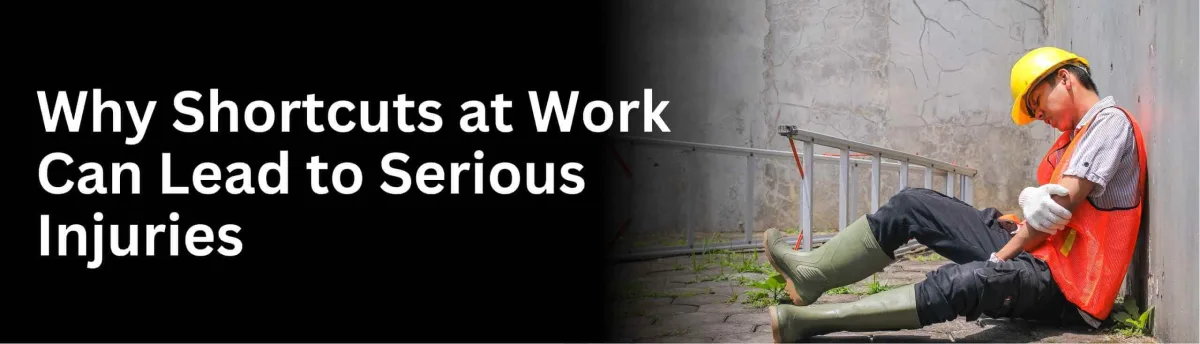
Most workers know the right way to perform a job. They know which steps to follow, what equipment to use, and what safety precautions are required.
But when workers are in a hurry, have performed the same task many times, or simply want to finish a job faster, they may start taking shortcuts.
A shortcut may save a few minutes, but it can also mean skipping an important step. A step that seems small or unnecessary may become very important when something goes wrong.
Workplace safety procedures are there for a reason. Following them every time helps workers avoid unnecessary injuries and keeps the job under control.
Workers may take shortcuts for different reasons.
A worker may feel confident because they have performed the same task many times.
Another worker may be trying to finish before the end of a shift. Others may believe that a certain safety step takes too much time or is not necessary for a simple task.
For example, a worker may decide not to use a ladder because the item they need is only a few feet away. Someone may remove a machine guard because it makes the job easier. A worker may skip a pre-task inspection because the equipment worked normally the day before.
These decisions may seem harmless at the time. The problem is that workers cannot always predict what will happen next.
Shortcuts can happen in almost any workplace. Some common examples include:
A worker may take one of these shortcuts many times without an incident. That can make the shortcut feel safe.
But just because nothing went wrong before does not mean the same thing will happen every time. Equipment can malfunction, materials can behave differently, and conditions in the work area can change.
Familiarity can change the way workers perform a task.
When someone performs the same job every day, they may stop thinking carefully about each step. What once required close attention can begin to feel routine. As a result, workers may start skipping steps because they feel they already know what to do.
For example, a worker who has operated the same machine for years may become less careful during a routine setup. A maintenance worker may assume equipment is not energized because it was turned off earlier. A construction worker may step onto an unsafe surface because they only need to reach something for a few seconds.
Experience with a task does not remove the need to follow the required procedures every time.
Many safety procedures contain several steps because each step serves a purpose. Skipping one step can remove an important layer of protection.
Consider a worker performing maintenance on a machine. Lockout/tagout procedures are designed to prevent the unexpected startup of a machine or the release of hazardous energy while servicing equipment. Skipping these steps can expose the worker to serious injury.
The same idea applies to other tasks. Using the correct ladder, inspecting equipment before use, wearing required PPE, and following instructions for using the equipment may take a little extra time, but each step has a reason.
Taking the extra time to follow the procedure is safer than trying to save a few minutes.
Rushing can also affect how workers make decisions.
When a worker is focused on finishing quickly, they may pay less attention to what is happening around them. They may overlook damaged equipment, fail to notice an obstruction, or choose the quickest method instead of the correct one.
This can be especially concerning when the task involves moving equipment, working at heights, operating machinery, handling materials, or performing maintenance.
Working at a steady pace and following the required steps gives workers more time to notice problems before they cause an injury.
Workers do not have to choose between getting the job done and working safely.
Workers should follow the required procedure, even when the task seems simple or familiar.
Before starting a task, workers should:
If a procedure makes a task difficult or takes longer than expected, workers should not skip it. Instead, they can speak with a supervisor about finding a safer and easier way to complete the job while still following the required safety procedures.
Shortcuts can become habits when workers take them repeatedly without an incident.
The absence of an injury does not mean the shortcut was safe. It simply means nothing went wrong that time.
A worker may skip a step dozens of times without a problem and then face a serious incident the next time.
Following the correct procedure every time helps workers avoid relying on luck. Taking a few extra minutes to inspect equipment, use the right tools, follow instructions, and wear the required PPE can make a real difference.
Getting the job done is important, but getting it done safely matters just as much.
Trusted by thousands of workers & supervisors